Imagine transforming daily walks into peaceful, bonding moments with your dog—yet the challenge of achieving calmness often feels elusive. This guide reveals how mastering gentle, controlled walking techniques can deepen trust, improve behavior, and turn routine outings into shared victories. From understanding the importance of a relaxed mindset to employing effective methods like the ‘pause and focus’ exercise or the ‘heel’ command, you’ll learn practical steps to foster confidence and focus in your canine companion. But what happens when distractions or unforeseen stressors threaten progress? This comprehensive approach emphasizes monitoring, adapting, and responding with patience and consistency, ensuring setbacks become opportunities for growth. With insights into cost-effective training tools, risk management, and the emotional benefits of calm walks, you’ll discover how to build a resilient, joyful partnership. Are you ready to unlock a new level of harmony that makes every walk a peaceful and rewarding experience?
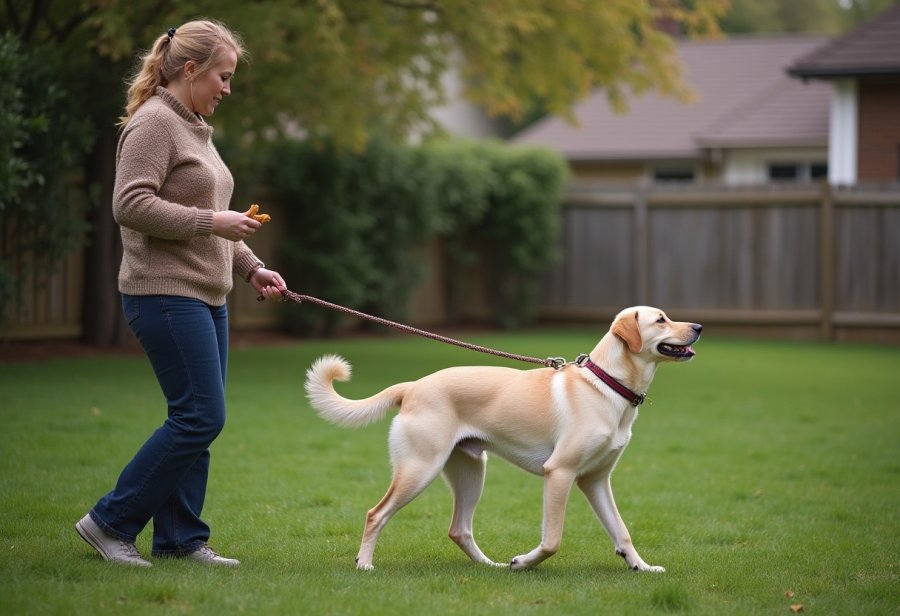
Build Trust and Behavior Through Calm Walks
Walking calmly with your dog isn’t just about covering distance—it’s a vital part of building trust and improving behavior. When both of you move at a relaxed, controlled pace, it creates a peaceful environment that deepens your bond. Calm walks set a positive tone for communication and training, helping your dog feel safe, comfortable, and attentive rather than overwhelmed by the world around them.
A relaxed dog walks with steady movements, focusing on you instead of getting distracted by sights, sounds, or smells. This state of calmness is essential for good manners, such as preventing pulling, barking, or lunging. Beyond behavior, it supports your dog’s emotional well-being by reducing stress and encouraging balance. When dogs learn to stay calm, they become more receptive to training and happier overall.
The goal of a calm walk is simple: maintain control and safety. When your dog walks peacefully beside you, managing their movements becomes easier, and unwanted behaviors diminish. Peaceful walks also minimize risks like accidents or conflicts with other dogs or distractions. More than that, these shared moments foster trust and mutual respect, transforming routine outings into meaningful experiences of connection.
Calm walks benefit both owner and dog. They reduce daily stress, promote a routine rooted in tranquility, and help prevent behavioral issues linked to overexcitement. These walks become natural training opportunities, reinforcing good manners without chaos. Over time, this shared serenity strengthens your relationship, making every walk a peaceful, joyful partnership that you both look forward to.
Master the Principles and Mindset of Calm Dog Walking
To walk calmly with your dog, your mindset is just as vital as the techniques you employ. Approaching this goal with patience and confidence sets a peaceful tone that your dog will quickly pick up on. Dogs are highly perceptive and tend to mirror your energy; if you’re tense or anxious, they’re more likely to become excited or distracted. Staying relaxed and steady helps your dog feel safe and reassured, making it easier for them to focus on you rather than the surrounding chaos.
Positive reinforcement forms the backbone of effective calm walking. Reward your dog immediately when they walk beside you without pulling or barking—using treats, praise, or gentle petting. Consistency in your cues and responses helps your dog understand what’s expected, reinforcing calm behavior. When mistakes happen, calmly redirect and reward the next good response, helping your dog associate calmness with positive outcomes.
Creating a sense of safety and trust is essential. Use clear, gentle cues like “heel” or “easy,” and practice them in quiet environments first. As your dog improves, gradually introduce more distractions to build their confidence. Pay attention to their body language—signs of overstimulation like stiff posture or tense tail indicate it’s time to pause or step back. Respecting their limits supports emotional balance and prevents frustration.
Your body language and tone of voice also matter. Maintain a relaxed posture and speak softly to demonstrate leadership. Dogs respond best to consistent, clear signals rather than confusing commands or harsh corrections. Over time, your calm demeanor will serve as a reliable anchor, making walks smoother and more enjoyable for both of you.
Understanding your dog’s body language is key. A relaxed tail, soft eyes, and a loose leash show calmness, while stiff posture or raised hackles reveal stress. Recognizing these cues allows you to adjust your approach before issues escalate, fostering trust and mutual understanding. If your dog shows signs of overexcitement, pause briefly to let them settle before proceeding.
Managing common challenges like pulling or barking requires patience. When your dog pulls ahead, stop and calmly call them back to your side, rewarding their return. For barking at distractions, redirect their focus with commands like “focus” and praise responsiveness. Consistent practice in different environments helps your dog learn to stay calm amid excitement or unfamiliar settings.
Remember, setbacks are part of the process. Use them as opportunities to refine your techniques, not as failures. Revisit basic exercises when needed and stay patient. Each successful walk builds your dog’s confidence and deepens your bond, helping you create a peaceful, trusting routine that makes every outing a shared success.
Learn Effective Techniques to Maintain Calm During Walks
Teaching your dog to walk calmly alongside you relies on practical techniques that foster consistency and trust. One effective method is the “pause and focus” exercise: when your dog begins to pull or gets distracted, gently stop walking, make eye contact, and use a calm, firm voice to regain their attention. Once they focus on you and walk beside you without pulling, reward with praise or treats, then resume your walk. This teaches your dog that staying close and attentive results in positive reinforcement, encouraging calmness over excitement.
Practicing the “heel” command is another key technique. Start in a quiet environment, holding a treat near your side. Say “heel” and reward immediately when your dog walks beside you without pulling ahead. Use treats and praise consistently, gradually increasing the distance and adding mild distractions. Over time, this creates a reliable, calm walking habit that makes daily outings more controlled and enjoyable.
Incorporating short, focused training sessions during walks helps reinforce good behavior. Keep these sessions positive and end each on a high note. If your dog pulls or gets sidetracked, pause and calmly call them back to your side, rewarding their focus. Patience is essential—small successes build confidence and foster a calm, attentive demeanor.
Gentle leash handling also makes a difference. Keep the leash loose and avoid jerks or harsh corrections. When your dog pulls, stop and wait until they return to your side before moving forward. This teaches patience and self-control, making your walks smoother and more relaxed. Your body language and tone should remain calm and confident, setting a steady tone for your dog to follow.
Remember, your energy influences your dog’s behavior. Maintain a relaxed posture, speak softly, and avoid showing frustration. Dogs are perceptive and respond best to calm, consistent signals. With steady practice of these techniques, your walks will become peaceful, strengthening your bond and turning daily outings into shared moments of trust and connection.
Finally, stay flexible and observant. Adjust your approach based on your dog’s responses, gradually increasing distractions as they improve. Recognize signs of overstimulation and respond with patience and gentle redirection. Over time, these methods will help your dog develop resilience and calmness, making every walk a joyful, harmonious experience for both of you.
Apply Calm Walking Strategies in Real Life
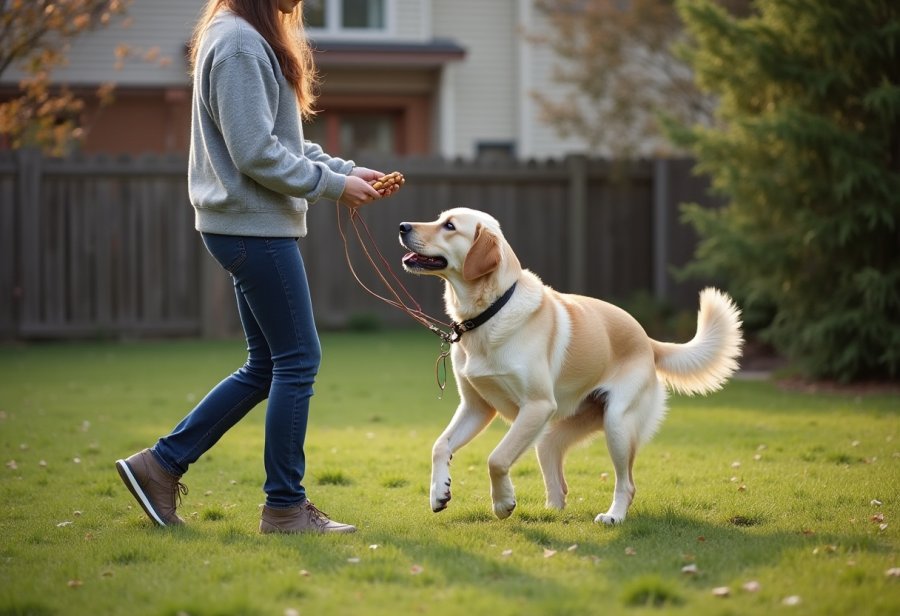
Starting to put your calm walking techniques into practice begins with choosing the right environment. Begin in quiet spots like your backyard or a peaceful park, where your dog isn’t overwhelmed by noise or crowds. Keep training sessions short—around five to ten minutes—to help your dog stay focused and prevent frustration. Consistency is key; practicing daily helps establish good habits and gradually improves your dog’s attention and calmness during walks.
Start each outing with a clear cue, such as “heel,” and immediately reward your dog when they walk beside you without pulling. Use treats or praise to reinforce this behavior, making sure your dog associates calm, focused walking with positive outcomes. If they pull or get distracted, pause calmly, call them back to your side, and reward their attention before moving forward. This pause-and-reward approach teaches them that staying close results in pleasant reinforcement.
Gradually, introduce more distractions as your dog becomes more confident. Walk in busier areas or around other dogs and people, but keep a close eye on their body language. If signs of stress or overexcitement appear, step back to quieter settings and reinforce the basics. Patience remains essential—rushing can undermine progress. Building your dog’s confidence takes time, but steady practice ensures lasting improvements.
Leash handling also plays a vital role. Keep the leash loose and avoid jerks or harsh corrections. When your dog pulls, stop and wait until they return to your side before moving again. This teaches patience and self-control, making each walk smoother. Your own calm posture and tone set the mood, so remain relaxed and confident throughout.
Be attentive to your dog’s signals. If you notice tension, stiff muscles, or a tucked tail, slow down or pause to let them settle. Showing understanding and patience encourages trust and helps prevent reactive behaviors. Remember, setbacks happen—view them as opportunities to adjust your approach rather than failures.
Prepare for unexpected challenges by choosing routes and times that suit your dog’s comfort level. Carry treats to reward good responses quickly and consider bringing calming items like a favorite toy or blanket. These small steps create a safety net, reducing the chance of incidents and making walks more enjoyable.
Flexibility and observation are crucial. If a particular environment or technique isn’t working, adapt your approach. Recognize triggers early and respond with redirection or a brief pause. Over time, this responsive method builds resilience and confidence in your dog. With patience and consistency, your daily walks will become peaceful, bonding moments filled with trust and joy.
Understand the Costs of Training Equipment and Support
Training your dog to walk calmly at your side involves some upfront costs, but understanding what to expect helps you plan effectively. Basic equipment like a well-fitting leash, a comfortable harness, and treats are essential and usually affordable, typically ranging from $20 to $50. Investing in specialized tools such as no-pull harnesses or clickers can make training more efficient, adding another $15 to $40, though they aren’t mandatory at the start. These tools can significantly improve walk quality and your dog’s comfort, making daily progress smoother.
For more structured guidance, professional classes or working with a trainer can vary widely in price. Group training sessions generally cost around $50 to $150 for a series, offering good value and expert support. Private lessons tend to be more expensive, sometimes reaching several hundred dollars, but they offer personalized strategies tailored to your dog’s specific challenges. This investment often accelerates progress, especially when dealing with pulling or barking issues.
Additional ongoing resources like online courses, training books, or follow-up sessions add to your overall expense. Online programs typically cost between $20 and $100, while reputable books are available for $10 to $30. These resources serve as handy references, allowing you to reinforce techniques at your own pace and maintain consistency. Planning for these expenses ensures you stay committed without surprises that could stall progress.
Choosing quality gear and experienced trainers makes a difference in long-term results. Durable, well-suited equipment and reputable instruction can prevent setbacks and save money on replacements or ineffective methods. Comparing options and reading reviews helps you get the best value while prioritizing your dog’s safety and comfort.
Remember, the real investment in calm walking lies in your dedication and patience. Consistent practice supported by these tools and resources builds a solid foundation for lasting progress. With a clear budget and realistic expectations, you can create a training routine that’s both effective and manageable, paving the way for peaceful, joyful walks that strengthen your bond for years to come.
Monitor Progress and Adapt Your Walking Routine
Monitoring your progress is key to maintaining a steady and effective calm walking routine. Regularly observing how your dog responds to cues, stays focused, and remains relaxed helps you identify what’s working and where adjustments are needed. Keeping a simple journal or checklist makes tracking behaviors straightforward—note how well your dog stays beside you, responds to commands, and handles different environments. Recognizing patterns of improvement or setbacks allows you to refine your approach with confidence.
Staying flexible is equally important. If certain techniques don’t produce the desired results, tweak your cues, rewards, or environment. Maybe a different tone of voice or a new treat makes a difference. Being adaptable prevents frustration and keeps training engaging for both of you. Responding to your dog’s changing needs and confidence levels ensures that progress continues without becoming stagnant.
Pay attention to your dog’s mood and energy during walks. Signs of overstimulation—like stiff posture, tense muscles, or a tucked tail—are cues to slow down or pause. Giving your dog a moment to settle helps prevent reactive behaviors from escalating. Adjusting your pace or taking a short break can make a big difference, reinforcing that you’re attentive and supportive.
Celebrating small wins along the way boosts motivation. When your dog walks calmly or responds well to commands, acknowledge these moments with praise or treats. These positive reinforcements reinforce good habits and make training feel rewarding rather than a chore. Over time, these successes build a resilient, confident dog who can handle new challenges with ease.
Continual evaluation keeps your training practical and effective. Notice which environments, cues, or rewards work best, and focus your efforts there. This responsive approach not only accelerates progress but also deepens your bond. With patience and regular check-ins, your dog will become more confident and relaxed on every walk, transforming routine outings into peaceful, mutually enjoyable experiences.
Prepare for Challenges and Manage Unexpected Situations
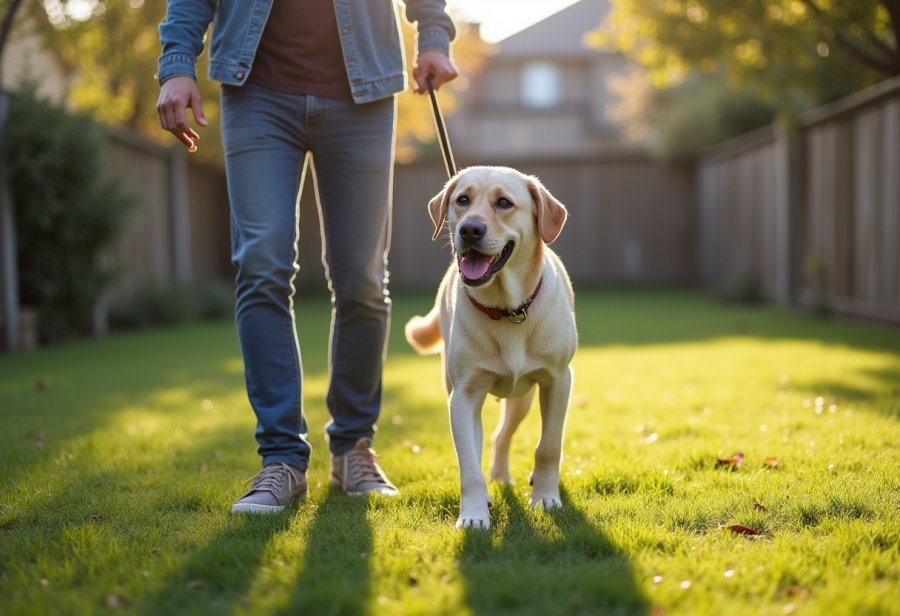
Unexpected situations can arise during walks—loud noises, unfamiliar animals, or busy crowds might trigger pulling, barking, or hesitation. Preparing for these moments keeps you calm and in control, which is crucial for maintaining a peaceful experience. When your dog shows signs of stress or overexcitement, respond with a steady tone and calm body language to prevent escalation. Having a plan, such as finding a quiet spot to pause or using distraction techniques, helps redirect their focus and avoid setbacks turning into bigger issues.
Gradually exposing your dog to more stimulating environments builds their confidence over time. Start in quiet settings and slowly introduce busier areas, rewarding calm behavior at each stage. Recognize triggers early—if your dog begins to overreact, give them space or a brief break to reset. This approach fosters trust and reduces reactive tendencies. Simple redirection commands like “focus” or “leave it” can help nip reactive moments in the bud, especially when you stay composed and consistent.
In tense moments, gentle corrections or distractions can steer your dog back on track. When barking at other dogs or reacting to sudden noises, calmly redirect their attention with cues and praise their responsiveness. Avoid harsh corrections or shouting, as these can increase anxiety and lead to more frequent setbacks. Patience and steady reinforcement make a significant difference in helping your dog learn to handle surprises calmly.
Plan your route and timing to match your dog’s comfort level, avoiding overly noisy or crowded places until they’re more confident. Carry treats for quick reinforcement and consider bringing calming objects like a favorite toy or blanket. These small preparations create a safety net, reducing the likelihood of incidents and making walks more enjoyable for everyone.
Stay observant of body language—tension, stiff muscles, or tucked tails indicate stress. When you see these signs, slow your pace or pause to let your dog regain composure. Showing understanding and patience builds trust, making it easier for your dog to handle unexpected challenges. If setbacks happen, use them as learning opportunities to refine your approach, strengthening resilience and trust with each step.