In a rapidly evolving business landscape, the power of customized telephony solutions is reshaping communication efficiency—are you harnessing the full potential of innovative devices like Grandstream’s IP phones? This work reveals how tailored systems, supported by scalable hardware and centralized management tools, can transform standard communication into a strategic asset. From supporting remote teams to streamlining call flows, these solutions promise agility and reliability as your organization grows. But with the promise of smarter, more integrated systems driven by AI, IoT, and cloud management, questions arise: How will security keep pace with these advances? Can personalization and automation truly enhance customer experience without sacrificing control? The future of telephony is more interconnected and intelligent than ever—making it essential for forward-thinking organizations to stay ahead, adapt quickly, and leverage these cutting-edge tools to foster growth, loyalty, and operational excellence.
Transforming Business Communication with Customized Telephony Strategies
In today’s fast-moving business landscape, effective communication isn’t just a bonus—it’s a necessity. Companies need systems that are reliable, flexible, and tailored to their specific workflows. Off-the-shelf phone solutions often fall short, especially when organizations require features like high call volumes, remote connectivity, or seamless customer service. Customized telephony solutions step in to fill this gap, transforming basic systems into powerful tools that align perfectly with a company’s unique needs.
Creating these tailored setups starts with understanding what your organization truly requires from its communication channels. Do you need to streamline call routing, improve responsiveness, or support a remote workforce? Pinpointing these priorities allows you to choose specific features—such as auto-attendants, call forwarding, or presence indicators—that directly support your operational goals. This focused approach ensures your investment delivers maximum value without adding unnecessary complexity.
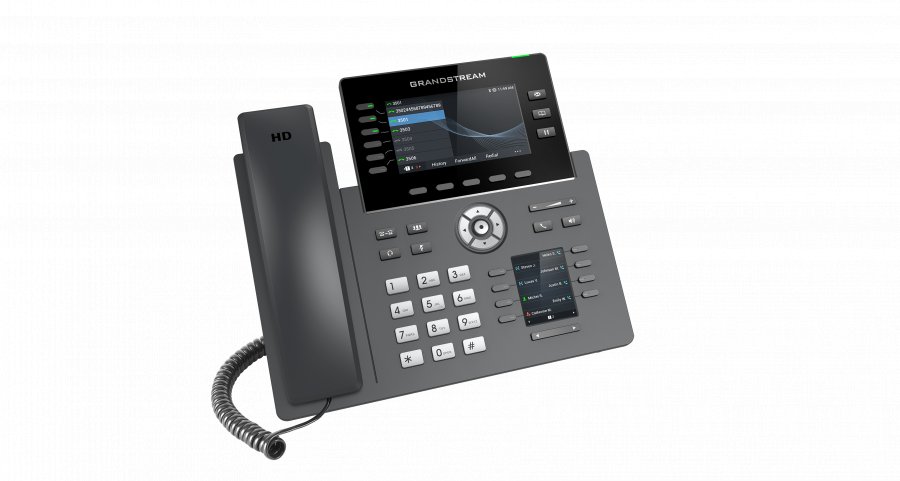
Devices from providers like Grandstream stand at the core of these customized systems. Their IP phones are designed for flexibility, offering programmable keys, presence indicators, and quick access buttons that employees can personalize. This level of customization helps streamline daily tasks, making call management more intuitive and efficient. Whether supporting a small team or a large enterprise, Grandstream’s range of devices can scale to meet diverse needs, enhancing productivity across the board.
Scalability is a key advantage of these solutions. As your business grows or evolves, your telephony system can adapt without costly overhauls. Adding new devices, updating features, or refining call flows becomes straightforward, thanks to centralized management platforms like GDMS. These tools allow remote configuration, ongoing monitoring, and mass deployment, reducing the need for on-site support and ensuring consistency across multiple locations. This agility means your communication system can keep pace with your business’s changing demands.
Implementing a customized telephony solution isn’t just about hardware—it’s about creating a better experience for staff and customers alike. Personalized call routing, auto-attendants, and presence indicators help ensure inquiries reach the right person quickly, reducing wait times and boosting satisfaction. Employees can manage their availability and access functions instantly, making their interactions smoother and more productive. When paired with a well-optimized network that prioritizes voice traffic through techniques like QoS, these devices deliver high-quality, reliable calls every time.
Ultimately, investing in a tailored telephony system means transforming how your organization communicates. It turns a standard phone setup into a strategic asset that supports operational efficiency, enhances customer experiences, and scales effortlessly as your business grows. With the right devices and thoughtful deployment, you can unlock the full potential of your communication infrastructure—making every call count.

Grandstream Devices: Powering Flexible and Scalable Communication Solutions
Grandstream’s telephony devices are at the forefront of creating flexible, scalable communication solutions tailored to diverse business needs. Their IP phones are engineered with customization in mind, featuring programmable keys, presence indicators, and quick-access buttons. These tools allow users to personalize their experience, streamline workflows, and manage calls more efficiently. Whether supporting a small team or a large enterprise, Grandstream’s range of devices adapts seamlessly, empowering organizations to craft communication systems that truly fit their operational style.
A key strength of Grandstream devices is their ability to support large-scale deployments without sacrificing ease of management. The GRP series, for example, is designed specifically for mass rollout, enabling IT teams to configure hundreds or even thousands of phones simultaneously. Using centralized management tools like GDMS, administrators can push configurations, perform firmware updates, and monitor device health remotely. This centralized approach simplifies deployment, reduces support costs, and ensures consistency across multiple locations—whether you’re expanding into new markets or upgrading existing infrastructure.
Compatibility is another major advantage. Grandstream’s devices support a broad range of SIP protocols, making integration with various VoIP platforms straightforward. This flexibility allows organizations to incorporate Grandstream phones into their existing network setups or switch providers with minimal disruption. The ease of integration helps businesses avoid vendor lock-in and ensures that their telephony solutions remain adaptable as their needs evolve, whether that’s adding new features or expanding to new sites.
The management and customization capabilities of Grandstream IP phones extend beyond initial setup. Auto-provisioning simplifies device registration, while customizable interfaces enable employees to assign functions and quick-dial keys based on their workflows. These features not only boost individual productivity but also reduce onboarding time for new staff. Remote configuration and updates mean organizations can keep their systems current and aligned with changing operational priorities without the need for extensive manual intervention.
Network performance remains critical to the performance of these devices. Grandstream phones are built to support optimized network configurations, including Quality of Service (QoS) settings that prioritize voice traffic. Implementing VLANs to segment voice data and performing regular firmware updates help maintain high call quality even during peak periods. These practices ensure that your tailored telephony solutions deliver consistent, reliable communication—an essential factor for maintaining professional standards and customer satisfaction.
Durability and long-term reliability are hallmarks of Grandstream hardware. Designed for continuous use in demanding environments, their IP phones feature robust construction and ongoing firmware support. This resilience minimizes downtime and replacement costs, making them a dependable choice for organizations seeking a future-proof communication system. The combination of hardware durability and software support ensures that your investment remains valuable over years of operation, adapting to your evolving needs without frequent replacements.
Strategic Deployment of Tailored Telephony Systems for Business Success
Implementing customized telephony solutions requires a strategic approach that seamlessly integrates new systems into existing workflows while minimizing disruption. Begin by clearly identifying your organization’s core communication needs—whether that’s streamlining call handling, enhancing customer service, or supporting remote teams. This clarity guides the selection of features like auto-attendants, call forwarding, or presence indicators, ensuring each component aligns with your operational priorities. Choosing the right Grandstream devices based on these needs sets the foundation for a successful deployment.
Once your requirements are defined, deploying in phases helps manage complexity and gather valuable feedback. Starting with a pilot group allows you to test configurations, identify potential issues, and refine settings before a wider rollout. Centralized management platforms like GDMS simplify this process by enabling remote provisioning, configuration, and monitoring across multiple locations. This approach reduces on-site visits, decreases errors, and ensures consistent system behavior, making scaling up more efficient and less resource-intensive.
Training staff on new features and management tools is crucial for maximizing the system’s benefits. Demonstrate how to personalize device settings—such as assigning quick-dial keys, managing call queues, or accessing directories—so users can work more independently. Providing straightforward guides or quick training sessions accelerates adoption and minimizes resistance. For IT teams, understanding device management and troubleshooting procedures ensures swift resolution of issues, maintaining smooth communication channels.
Customization extends beyond initial setup. Grandstream IP phones support personalized interfaces, programmable keys, and quick access to frequently used functions, allowing users to tailor their experience to their specific roles. This personalization boosts response times, streamlines call handling, and enhances overall productivity. Remote updates and configuration adjustments keep the system adaptable, enabling your organization to evolve without extensive reconfiguration or downtime.
A reliable network underpins all these efforts. Optimizing your infrastructure for VoIP traffic—using Quality of Service (QoS), VLAN segmentation, and regular firmware updates—ensures high call quality and system stability. Proper network management prevents congestion and maintains the clarity and reliability essential for effective communication. When combined with robust hardware and proactive oversight, these practices turn your customized telephony into a dependable, scalable asset that supports your business’s growth and operational excellence.

The Future of Business Communication: Innovations and Trends in Customized Telephony
The future of customized telephony is set to be more dynamic, interconnected, and intelligent than ever before. Artificial intelligence will redefine how calls are routed, automating routine tasks and providing real-time insights that help businesses respond more swiftly. Voice assistants embedded directly into phones will become commonplace, enabling users to manage calls, check schedules, or access information through simple voice commands. This evolution will make daily communication not only more efficient but also more natural and user-friendly.
At the same time, the proliferation of the Internet of Things (IoT) promises a highly integrated environment where telephony devices seamlessly interact with other smart systems. Imagine incoming calls automatically updating your calendar, triggering notifications to team messaging platforms, or adjusting call routing based on the caller’s context—all without manual intervention. As IoT expands, workflows will become increasingly automated, creating a more responsive and interconnected business ecosystem that minimizes manual work and enhances productivity.
User interfaces will also undergo significant changes. Larger, more interactive screens with touch controls and customizable dashboards will empower employees to personalize their communication tools to fit their roles. For instance, a sales representative might prioritize quick-dial shortcuts to CRM contacts, while a support agent might focus on auto-attendant controls. This level of customization will make telephony systems more accessible and adaptable, enabling staff to work more efficiently and respond more rapidly to customer needs.
Cloud-based management and automation tools will become the norm, simplifying deployment and ongoing system maintenance. Centralized control allows organizations to push updates, add new features, and troubleshoot remotely—regardless of location. This flexibility will be especially valuable for companies with multiple offices or remote teams, ensuring consistent performance and minimal downtime. As these cloud solutions advance, expect richer analytics, enhanced security protocols, and more intuitive user management features that make telephony smarter and more resilient.
Security will remain a critical focus as telephony technology evolves. Encryption, secure access controls, and regular firmware updates will be essential to protect sensitive communications. As telephony integrates more deeply with other business systems, the potential cybersecurity risks will grow, making vigilance and best practices vital. Balancing innovation with robust security measures will be key to harnessing new capabilities without compromising data integrity or customer trust.
The increasing sophistication of communication tools will also foster more personalized, context-aware experiences. Businesses will tailor interactions based on caller history, preferences, or real-time data, creating a more engaging and efficient dialogue. This shift toward hyper-personalization will help organizations differentiate themselves by delivering more relevant and timely responses, strengthening customer relationships and loyalty.
As emerging trends continue to unfold, organizations that embrace these innovations will be better positioned to deliver exceptional service, operate more efficiently, and stay ahead of competitors. Staying adaptable and investing in scalable, intelligent telephony solutions will turn these advancements into strategic assets—transforming traditional communication into a powerful driver of growth and operational excellence. The landscape of business communication is set to become more seamless, intuitive, and responsive, reshaping how organizations connect with their customers and teams in the years to come.