Learning to ride a bike is more than a childhood milestone—it’s a profound lesson in courage, resilience, and family bonds. Initially filled with nervousness and wobbling, children face the fear of falling, which can sometimes seem more daunting than the act of riding itself. Yet, each stumble and subsequent success builds confidence, transforming uncertainty into independence. How do supportive environments, patience, and celebrating small victories shape this journey? Advances today, from balance bikes to safety gear and community infrastructure, have made learning safer and more inclusive. These experiences teach children that setbacks are natural steps toward mastery, fostering persistence and a growth mindset that extends beyond childhood. Ultimately, mastering cycling becomes a metaphor for tackling life’s challenges with trust in oneself and the support of loved ones—reminding us that, with courage and perseverance, even the biggest fears can be overcome.
Ride into Growth: The Power of Learning to Bike Together
Learning to ride a bike is more than just a childhood milestone; it’s a powerful symbol of courage and family connection. Those first attempts are often a mix of excitement and nervousness, as kids face a challenge that feels bigger than themselves. When parents or siblings step in to help, it becomes a shared moment of trust and support—marking a turning point in a child’s growth. Pedaling for the first time, wobbling but determined, transforms from a simple act of balancing into a lesson in perseverance.
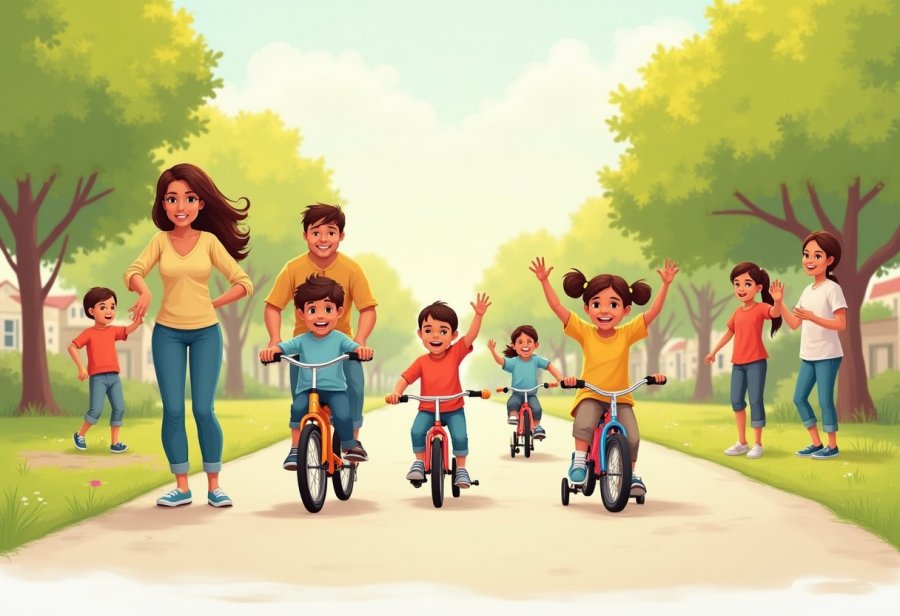
These moments often turn into cherished family memories, filled with laughter and encouragement. Picture a sunny afternoon in the park, with a parent gently holding the back of a small seat, guiding their child as they inch forward. Nearby, another child begins to trust their own balance on a bike with training wheels, slowly building confidence. At the heart of it all, a young rider’s face lights up with pride as they ride independently for the first time, arms raised in victory.
Learning to ride a bike also embodies resilience and bravery. For many children, the fear of falling can feel overwhelming—sometimes even more intimidating than the act of riding itself. Yet, overcoming that fear is what makes the achievement meaningful. Each wobble or fall teaches kids that setbacks are part of growth, and persistence is essential. As they push past their initial fears, they discover a sense of independence that sparks curiosity and confidence beyond childhood.
These shared experiences do more than teach a skill—they strengthen family bonds. Whether it’s a parent running alongside or siblings offering encouragement, the support creates emotional closeness and trust. Learning to ride becomes a symbol of how patience, teamwork, and shared effort help families grow stronger together. Ultimately, these lessons in courage and connection shape children’s resilience and trust—values that will serve them throughout their lives.
Learning to ride a bike is a journey of growth, joy, and connection. It’s about more than just balancing on two wheels; it’s about embracing challenges, trusting others, and celebrating small victories. These moments of wobbling, falling, and getting back up aren’t just steps toward independence—they’re lessons in perseverance and self-belief. They remind us that with support and determination, even the biggest fears can be overcome.
Through these early experiences, children learn that growth involves taking risks and facing fears head-on. The act of learning to ride becomes a powerful metaphor for tackling life’s challenges with courage. As they pedal forward, supported by family and fueled by their own resilience, they develop confidence and skills that extend well beyond childhood. These lessons in bravery and perseverance stay with them, shaping their journey into the future.
Pedals Through History: Cycling’s Cultural Legacy
The story of cycling stretches back over a century and has played a significant role in shaping how different cultures view the act of learning to ride. When the safety bicycle emerged in the late 1800s, it revolutionized mobility, making riding accessible to many and turning it into a symbol of independence and social change. For children, learning to ride became more than a skill; it became a rite of passage that signified stepping into a world of freedom and opportunity.
Across the globe, the cultural significance of riding a bike varies widely. In Western countries, cycling often symbolizes growing up and gaining autonomy. Kids learn to ride as a marker of maturity and self-reliance, viewing it as a step toward independence. In contrast, many Asian and African communities have long relied on bicycles as essential tools for daily life—helping children and families reach schools, markets, and workplaces more efficiently and affordably. Here, learning to ride is intertwined with community bonds and economic mobility, making cycling a vital skill with deep social meaning.
The bicycle’s rise also influenced social movements and urban development. It acted as a democratizing force, breaking down class barriers and offering everyone, regardless of background, the chance to explore beyond their immediate surroundings. Children often learned together in open spaces, sharing the joy of balancing and pedaling, fostering a collective spirit of resilience and independence. These early experiences weren’t just about mastering a skill—they were about discovering their capacity for growth and self-reliance.
Motor skills like balance, coordination, and perseverance are at the core of what children gain from cycling. Across cultures, learning to ride isn’t only about physical control but also about emotional resilience. Overcoming the fear of falling helps children develop confidence and patience, lessons that extend well beyond childhood. Many societies see this activity as a vital part of childhood development—a stepping stone toward independence and a symbol of perseverance.
Today, the legacy of cycling continues to evolve. Innovators and organizations have expanded access through programs that promote safety, inclusivity, and community engagement. From balance bikes for beginners to city initiatives that build bike-friendly infrastructure, riding remains a universal symbol of freedom, resilience, and connection. As attitudes shift toward sustainability and health, cycling’s cultural importance only grows, reminding us that learning to ride is more than a childhood milestone—it’s a lifelong journey of confidence and independence.
Modern Milestones: Teaching Kids to Ride Today
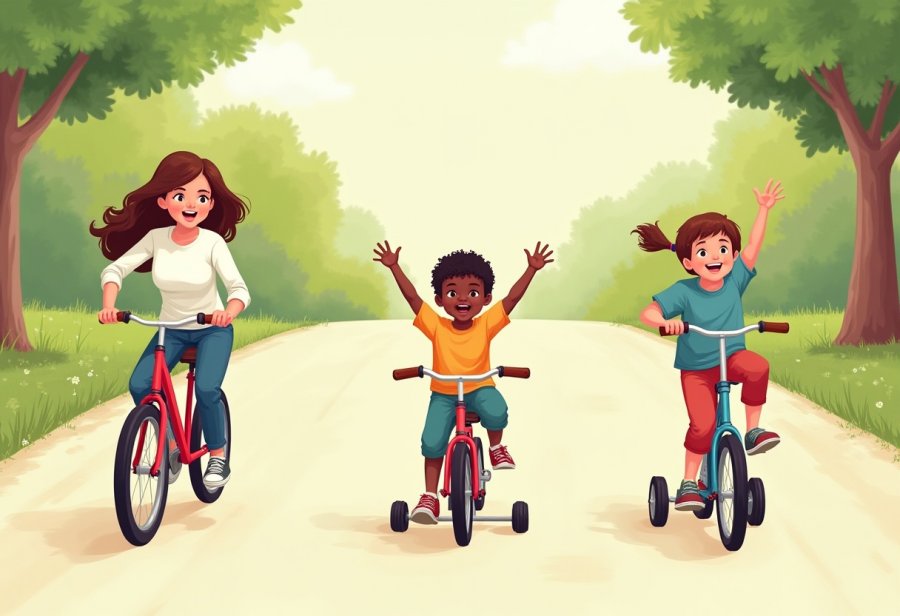
Today, teaching kids to ride a bike looks quite different from just a few decades ago. Advances in safety awareness and technology have transformed the way parents and educators approach this milestone. Instead of jumping straight onto two wheels, many now start with balance bikes, which help children focus on steering and balancing without the added complexity of pedaling. This gradual approach allows kids to build confidence at their own pace, making the transition to a regular bike smoother and less intimidating. It shifts the focus from rushing to master the skill to creating a positive, pressure-free environment that encourages persistence and resilience.
Safety has become a central concern in recent years. Widespread campaigns promote helmet use and protective gear, embedding safety into every step of the learning process. Children are encouraged to wear helmets from their very first ride, instilling responsible habits early on. This emphasis on safety not only reduces injuries but also normalizes protective gear as a natural part of riding. Schools and community programs now often incorporate safety lessons alongside skill-building, fostering a culture where responsible cycling is valued and practiced.
Community support and infrastructure have also evolved to make learning to ride easier and more enjoyable. Many cities have invested in dedicated bike lanes and safe parks, providing children with protected spaces to practice without the dangers of traffic. These environments boost confidence, especially for beginners, by allowing kids to experiment freely. Additionally, local organizations offer inclusive programs that focus on fun and mastery rather than competition, helping children develop a lifelong love of cycling. These initiatives emphasize that riding should be an accessible and joyful activity for all.
Technology has introduced new tools that enhance the learning experience. GPS trackers and smart helmets give parents real-time updates on their child’s location and safety, providing peace of mind during independent rides. Some programs incorporate virtual reality simulations, allowing children to practice balancing and maneuvering in a controlled, safe setting before venturing outdoors. These innovations make learning more engaging, especially for children who may feel anxious or hesitant about riding in unfamiliar or busy areas.
Societal attitudes toward cycling have shifted to view it as more than just a childhood skill. Today, biking is widely recognized as a sustainable, healthy lifestyle choice. Families are encouraged to integrate cycling into their daily routines, whether through regular family rides or community events. Cities now promote cycling as a means of environmental responsibility and personal well-being, investing in infrastructure that supports safe and accessible riding for children. This broader perspective reinforces the idea that cycling is not only about independence but also about fostering a connection to the community and the planet.
Despite these positive developments, challenges remain. Socioeconomic disparities can limit access to proper equipment or safe practice spaces, making it harder for some children to learn confidently. Urban environments with heavy traffic and insufficient infrastructure pose risks that require ongoing attention. Addressing these issues is crucial to ensure every child can experience the joy and benefits of learning to ride. As communities continue to adapt and grow more inclusive, the landscape of cycling education will hopefully become even more supportive, helping every child pedal confidently into independence.
Building Bravery: Strategies to Empower Young Riders
Helping children develop confidence and independence when learning to ride a bike starts with cultivating a positive and supportive mindset. Praising effort rather than perfection encourages kids to see mistakes as natural steps in the learning process. When they wobble or fall, framing these moments as opportunities to learn, rather than failures, helps build resilience. Kids are more willing to try again when they feel safe and supported, knowing setbacks are part of growth. Celebrating small victories, like balancing without wobbling or pedaling confidently for a few seconds, reinforces their sense of achievement and motivates continued effort.
Practical strategies also play a key role. Starting with balance bikes allows children to focus solely on steering and balancing without the added pressure of pedaling. This gradual approach helps them develop natural control and trust in their abilities. Once they’re comfortable, introducing training wheels can provide extra stability while they learn to coordinate pedaling with steering. Gradually removing training wheels and practicing in open, flat spaces helps children gain confidence at their own pace. Patience and gentle encouragement from caregivers are essential, as rushing can increase anxiety and slow progress.
Sharing stories of perseverance can inspire children to face their fears. Hearing about others who wobble and keep trying normalizes setbacks and emphasizes that persistence leads to success. These stories foster a growth mindset, where effort is valued more than immediate mastery. When children understand that falling is part of learning, they become more willing to take risks, knowing each stumble is a step forward. This mindset encourages them to see challenges as opportunities, not obstacles.
Family support during practice is vital. When parents or siblings cheer from the sidelines, it creates a sense of belonging and reassurance. Simple words of encouragement or high-fives after a wobble boost confidence and reinforce that effort matters more than perfection. These shared moments deepen emotional bonds and help children internalize that they are capable and supported. Celebrating progress together transforms the learning process into a positive, shared experience that nurtures independence and resilience.
Fostering a mindset rooted in patience, persistence, and support equips children to overcome fears and embrace new challenges. When they learn that falling isn’t the end but part of the journey, they develop a resilient attitude that extends beyond cycling. By creating a supportive environment that values effort and celebrates progress, caregivers help children build confidence that will empower them to face future hurdles with courage and trust in themselves.
Lessons in Resilience: Reflecting on the Journey of Learning to Ride
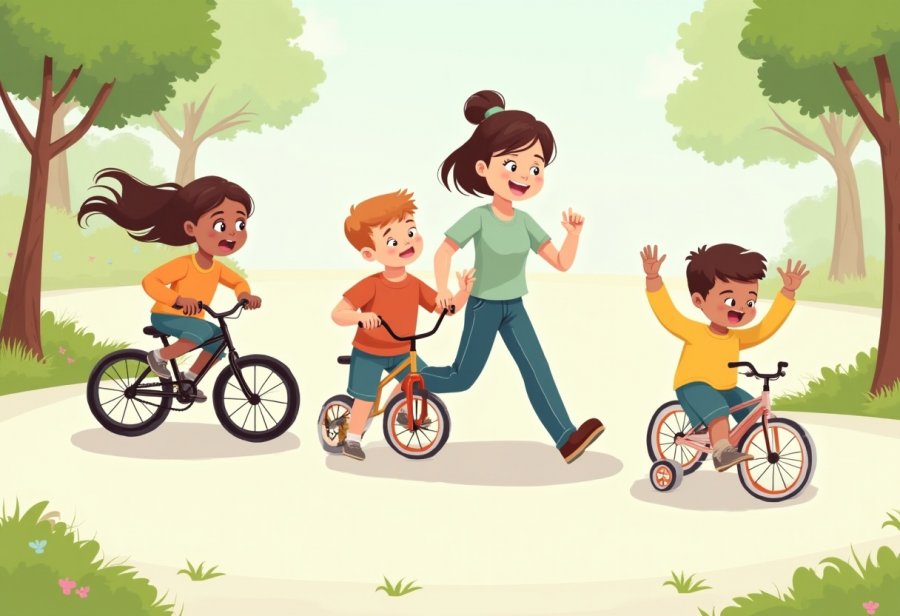
Learning to ride a bike offers more than just a childhood skill; it teaches us vital lessons about resilience, patience, and perseverance that stay with us long after the training wheels come off. Each wobble and fall along the way reveals that setbacks are natural parts of growth, and persistence is key to overcoming obstacles. When supported by family and friends, those small failures become stepping stones, helping children build confidence and a growth mindset that can carry into many areas of life.
The power of positive reinforcement cannot be overstated. Praising effort rather than perfection encourages children to see mistakes as valuable learning moments. Celebrating small victories—like balancing steadily or pedaling confidently—creates a sense of achievement that motivates continued effort. This approach not only makes the learning process more enjoyable but also instills resilience and a sense of accomplishment that can last a lifetime.
Creating a supportive environment is essential. Starting with balance bikes or practicing in open, flat spaces allows kids to focus on developing control without feeling overwhelmed. When caregivers cheer them on and acknowledge their progress, children internalize that their efforts matter. This emotional support transforms fear into excitement and encourages them to keep trying, even when they stumble.
The lessons from learning to ride extend beyond physical skills. They teach children that falling isn’t failure but part of the journey toward mastery. This understanding fosters patience, trust in their own abilities, and a willingness to face future challenges head-on. Overcoming the fear of falling builds confidence and resilience, qualities that serve them well as they navigate life’s bigger hurdles.
These experiences also highlight the importance of persistence. When children learn that setbacks are temporary and that effort leads to progress, they develop a mindset ready to embrace new challenges. This resilience becomes a foundation for future growth, whether in academics, relationships, or personal goals. The act of learning to ride becomes a metaphor for facing life’s uncertainties with courage and determination.
Finally, supporting children through their early attempts at cycling nurtures a sense of independence and trust. When they realize that they can overcome fears and master new skills with patience and effort, they gain a deeper understanding of their own potential. These lessons in perseverance and confidence are the true rewards of learning to ride, shaping resilient, self-assured individuals prepared to pedal confidently into whatever comes next.