Beyond her legendary beauty and dramatic romances, Cleopatra VII was a master strategist whose true power lay in her extraordinary intellect and diplomatic prowess. Fluent in multiple languages and deeply connected to Egypt’s cultural and scholarly traditions, she understood that influence stems from knowledge, cultural awareness, and strategic foresight. Her leadership was characterized by subtlety, patience, and an uncanny ability to navigate turbulent political landscapes—forming alliances with Rome’s most powerful figures not through force but through diplomacy and cultural insight. This portrayal challenges us to reconsider her legacy: could her enduring influence be rooted more in her mind than her allure? Cleopatra exemplifies that authentic leadership requires continuous learning, resilience, and an appreciation for cultural nuance. Her story inspires modern leaders to prioritize wisdom, adaptability, and emotional intelligence—proving that true power is cultivated through the mind, not superficial charm.
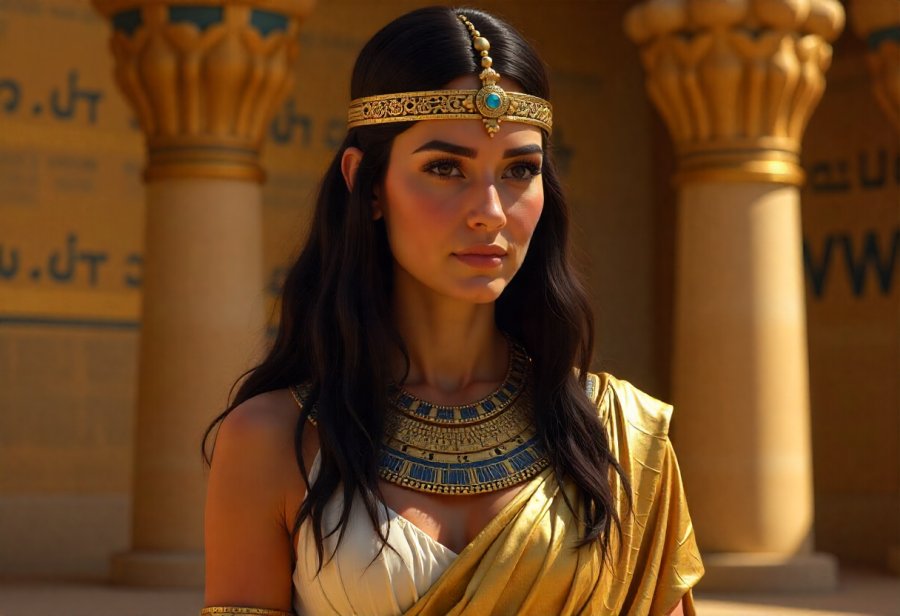
Unveiling Cleopatra VII: The Mind Behind the Myth
Cleopatra VII is often remembered for her legendary beauty and the dramatic romances that surrounded her, but beneath those stories lies a far more impressive story of intelligence and political skill. She was a highly educated ruler who understood that true power came from her mind, not just her appearance. Her mastery of diplomacy, languages, and cultural knowledge allowed her to navigate one of the most turbulent periods in Egyptian history with remarkable finesse.
As the last active pharaoh of Egypt, Cleopatra’s reign was defined by her strategic thinking and deep understanding of the complex political landscape around her. She inherited a kingdom rich in history and tradition, yet increasingly threatened by Roman expansion. Her ability to adapt, forge alliances, and maintain Egypt’s independence depended heavily on her intellectual agility and diplomatic talent.
Her education was extensive; she was fluent in Egyptian, Greek, Latin, and other languages. This linguistic skill wasn’t just personal achievement—it was a diplomatic tool that helped her build trust and influence directly, without relying solely on intermediaries. Her scholarly pursuits, especially her connection to the Library of Alexandria, underscored her commitment to knowledge as a foundation of her leadership.
What set Cleopatra apart was her strategic mindset. She knew influence stemmed from understanding human nature and wielding cultural and political intelligence. Her relationships with Julius Caesar and Mark Antony weren’t based solely on personal charm but on carefully crafted diplomacy and mutual benefit. These alliances were deliberate moves to protect Egypt’s sovereignty and her own power.
Her leadership was rooted in her ability to think critically and act decisively. She employed patience, subtlety, and a keen sense of timing—traits that made her a formidable tactician. Her scholarly background and multilingual skills enabled her to communicate directly and authentically with foreign leaders, shaping events behind the scenes rather than through brute force. Her influence was built on her mind, not just her charisma.
Cleopatra’s true strength lay in her understanding that long-term influence depends on knowledge, cultural awareness, and strategic foresight. She demonstrated that leadership rooted in intelligence and adaptability could endure turbulent times. Her story isn’t just about beauty or romance—it’s about a ruler who prioritized wisdom and resilience, qualities that continue to inspire leaders today.
Navigating Egypt’s Turbulent Waters: The Political and Cultural Landscape
During Cleopatra’s reign, Egypt was a vibrant crossroads where cultures, politics, and commerce intertwined. As the last of the Ptolemaic rulers, she inherited a kingdom with a deep ancient heritage that was increasingly influenced by external powers, especially Rome. Egypt’s strategic location along the Mediterranean trade routes made it a coveted prize for neighboring empires, and Rome’s growing dominance posed a constant threat to Egyptian independence.
Culturally, Egypt was a melting pot of traditions. Greek rulers who arrived after Alexander the Great’s conquest blended Hellenistic customs with Egypt’s ancient practices, creating a unique environment where a leader had to be both a guardian of tradition and a shrewd diplomat. Cleopatra’s leadership was shaped by this complex mix, requiring her to balance Egyptian divine authority with the realities of a multicultural, interconnected world.
Politically, titles like “pharaoh” carried divine weight—symbolizing both spiritual authority and political legitimacy. Cleopatra leveraged this divine status to reinforce her position, framing her rule as a continuation of Egypt’s sacred traditions. Her diplomatic strategies involved managing alliances and rivalries with powerful neighbors, notably Rome’s Julius Caesar and Mark Antony, often employing subtlety and influence rather than outright force.
Her fluency in Egyptian, Greek, Latin, and other languages gave her a vital edge. She could communicate directly with foreign leaders and scholars, building trust through personal interaction rather than relying solely on intermediaries. This linguistic mastery enabled her to craft nuanced diplomatic approaches, often resolving conflicts through persuasion and cultural understanding, safeguarding Egypt’s sovereignty in a turbulent era.
Cleopatra’s ability to adapt was evident in her shifting alliances. Rather than relying heavily on military might, she employed cultural diplomacy and political finesse to navigate external threats and internal challenges. Her resilience and flexible approach allowed her to sustain her reign amid the rising tide of Roman power, demonstrating that influence was rooted in strategic patience and perceptive diplomacy.
The environment she faced—marked by tumult and transition—demanded a leader who could think several steps ahead. Cleopatra’s mastery of cultural nuances, her diplomatic agility, and her strategic resilience created a leadership style uniquely suited to her tumultuous world. Her reign exemplified how influence depends on understanding the shifting currents of politics and culture, shaping her legacy as a ruler who thrived through intelligence and adaptability.
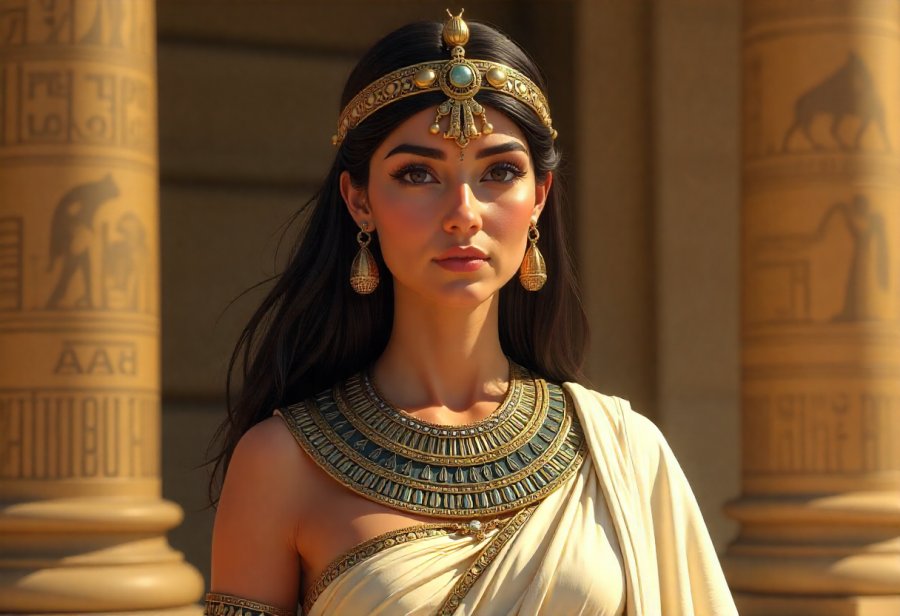
Beyond Beauty: The Scholar-Queen and Strategic Mastermind
Cleopatra’s reputation often leans on her beauty and her romantic associations, but her true power lay in her intellect and strategic mind. She was fluent in Egyptian, Greek, Latin, and several other languages, a skill that went far beyond personal achievement. This linguistic mastery allowed her to communicate directly with foreign diplomats, scholars, and leaders, forging alliances and negotiating treaties without relying on intermediaries. Her deep engagement with the arts and sciences, particularly through her connection to the Library of Alexandria, underscored her commitment to knowledge as a foundation of effective leadership.
Her scholarly pursuits weren’t mere personal interests—they were integral to her leadership style. Cleopatra studied scientific works, literary texts, and philosophical ideas, cultivating an environment where knowledge and cultural sophistication became tools of soft power. This intellectual depth helped shape her image as a wise ruler capable of navigating complex diplomatic landscapes. By blending her education with political strategy, she demonstrated that influence often stemmed from a nuanced understanding of human nature and cultural dynamics, rather than brute force or superficial charm.
What truly distinguished Cleopatra was her strategic thinking. She expertly balanced alliances with Rome’s most powerful figures—Julius Caesar and Mark Antony—through calculated diplomacy. These relationships weren’t based solely on personal attraction but on her ability to read political currents, anticipate moves, and respond with subtlety. Her influence was rooted in her capacity to wield cultural insight, patience, and timing, often shaping events behind the scenes rather than through overt military action. This approach made her a formidable tactician and a master of influence.
Her leadership was anchored in critical thinking and decisive action. Cleopatra employed cultural diplomacy, political negotiation, and strategic patience—traits that allowed her to maintain Egypt’s independence in a turbulent era. Her multilingual skills and scholarly background gave her an authentic voice in international negotiations, enabling her to communicate directly and persuasively. Her influence was built on her mind, proving strength comes from insight, adaptability, and a deep understanding of the human and political landscape.
Ultimately, Cleopatra’s brilliance lay in her ability to combine scholarship with strategic foresight. She understood that influence depends on continuous learning, cultural awareness, and the capacity to think several steps ahead. Her legacy as a scholar-queen exemplifies that true leadership is rooted in wisdom and resilience, qualities that help sustain influence long after the immediate challenges have passed. Her story challenges us to value intelligence and cultural mastery as essential tools for enduring leadership.
Lessons from Cleopatra: Applying Ancient Wisdom to Modern Leadership
Cleopatra’s leadership qualities offer valuable lessons for modern politics and organizational strategy. Her ability to think several steps ahead, build alliances, and adapt to rapidly changing circumstances demonstrates that influence isn’t solely about charisma or power—it’s rooted in wisdom, cultural understanding, and subtlety. Leaders today can draw inspiration from her example by emphasizing ongoing education and deepening their understanding of global trends, cultural nuances, and shifting geopolitical landscapes. This foundation of knowledge enables more informed decisions that withstand the test of time.
Her mastery of diplomacy over confrontation highlights the importance of relationship-building and trust. Cleopatra knew that influence often flows through persuasion and genuine connection rather than force. Modern leaders can emulate this by practicing active listening, fostering open dialogue, and seeking common ground even amid disagreements. Building authentic relationships based on mutual respect creates resilient networks that support long-term stability and influence, much like Cleopatra’s strategic alliances.
Cultural intelligence remains crucial in today’s interconnected world. Cleopatra’s ability to seamlessly blend Egyptian traditions with Hellenistic influences reminds us that adaptability and respect for diverse perspectives strengthen influence. Leaders who demonstrate cultural awareness and show genuine appreciation for different customs and ideas tend to forge stronger, more lasting connections—whether in international diplomacy or within organizations. Embracing this openness fosters trust and collaboration across boundaries.
Strategic patience is another key trait Cleopatra exemplified. She understood that lasting influence and success often require time, careful planning, and resilience. Instead of rushing for quick wins, she invested in relationships and initiatives that prioritized stability and long-term growth. Modern leaders benefit from resisting impulsive decisions, focusing instead on laying foundations that support sustainable progress and trust.
Encouraging a learning mindset within teams echoes Cleopatra’s patronage of arts, sciences, and scholarship. Promoting continuous education, curiosity, and the exchange of ideas creates environments where innovation and resilience flourish. When organizations prioritize learning, they become better equipped to anticipate change, respond effectively, and maintain their influence in turbulent times.
Emotional intelligence plays a vital role in effective leadership. Cleopatra’s ability to read her opponents and allies with tact and insight helped her respond thoughtfully and build loyalty. Today’s leaders can develop empathy, self-awareness, and situational awareness to make smarter decisions and foster stronger connections. Cultivating these qualities enhances influence and helps sustain trust over time.
By integrating these principles—deep knowledge, cultural sensitivity, strategic patience, and emotional intelligence—modern leaders can cultivate a lasting legacy of influence. Cleopatra’s example shows that true power lies in understanding human nature and cultivating resilience through wisdom and adaptability. Applying these lessons can help navigate today’s complex landscape with confidence and integrity.
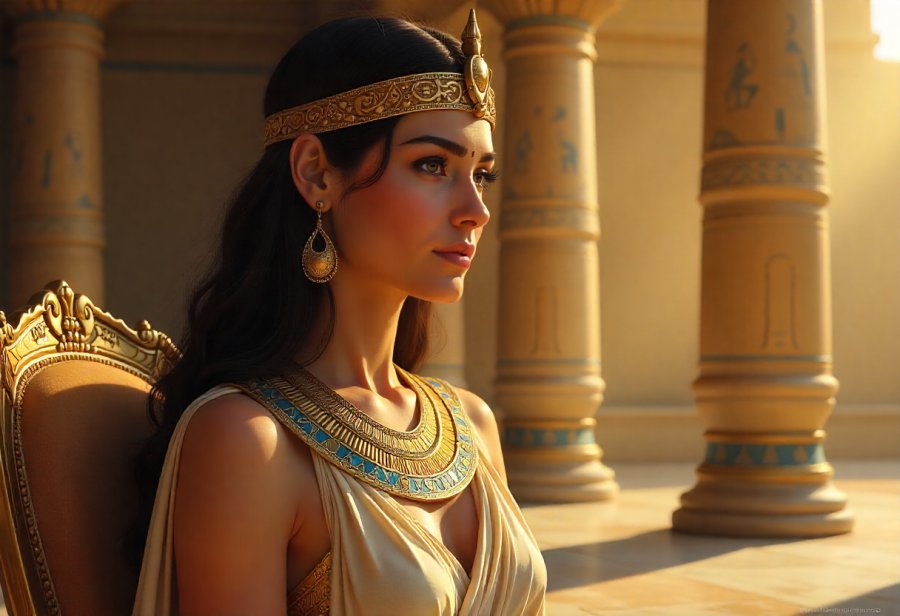
Legacy of Wisdom: Embracing Knowledge, Resilience, and Cultural Mastery
Cleopatra’s story reminds us that leadership isn’t just about outward charm or superficial allure. Her true strength lay in her intellect, strategic thinking, and adaptability—traits that helped her navigate one of Egypt’s most turbulent eras. She understood that influence stems from knowledge, cultural awareness, and the ability to think several steps ahead, not merely from personal charisma or force.
Her focus on wisdom and resilience set her apart from many rulers of her time. By valuing education, fostering diplomacy, and embracing cultural nuances, she built a legacy rooted in understanding human nature and the shifting currents of politics and culture. This approach allowed her to forge alliances, maintain independence, and shape history through her keen insight and measured patience.
Cleopatra demonstrated that influence endures when it’s based on continuous learning and strategic foresight. Her mastery of multiple languages, connection to the Library of Alexandria, and skill in diplomacy exemplify how deep knowledge and cultural intelligence can serve as powerful tools of leadership. Her ability to anticipate changes and respond thoughtfully kept her one step ahead in a volatile landscape.
Her resilience in the face of external threats and internal challenges underscores a vital lesson for today’s leaders: lasting impact is rooted in adaptability, emotional intelligence, and a commitment to long-term vision. Knowing when to act, when to wait, and how to build trust are core elements of influence that Cleopatra mastered through her strategic patience and perceptive leadership.
Reflecting on her legacy invites us to see leadership as a blend of wisdom, resilience, and cultural mastery. It’s about cultivating a mindset of continuous growth—prioritizing knowledge over superficial charm, and understanding that influence is a long game built on substance rather than spectacle. Cleopatra’s life encourages us to invest in these qualities to leave a meaningful mark.
Her example challenges us to rethink what it means to lead effectively today. Influence isn’t about quick wins or immediate recognition but about building trust, understanding diverse perspectives, and adapting to change. These are the qualities that sustain leadership across generations, just as Cleopatra’s intellect and strategic vision have endured through centuries.
In embracing her lessons, we find that true power resides in the mind—shaped by learning, cultural sensitivity, and resilience. Cleopatra’s legacy reminds us that lasting influence comes from within, inspiring us to prioritize wisdom and strategic insight in our own leadership journeys.