In an era dominated by screens and rapid digital exchanges, could the simple act of tending a garden together unlock deeper human bonds and foster healing? This compelling exploration reveals how shared outdoor activities, rooted in history and seamlessly blending tradition with modern innovation, nurture trust, patience, and emotional resilience. From ancient communal plots to contemporary community gardens and virtual online clubs, gardening emerges as a universal language of care and connection. The act of working side-by-side—planting, watering, and supporting life—transcends mere physical labor, becoming a powerful ritual that strengthens relationships and reduces stress. But with barriers like limited space, cultural differences, and confidence gaps, can we make this age-old practice accessible and meaningful for everyone? The answer may lie in embracing inclusive, innovative approaches—integrating technology, sustainability, and community programs—turning gardening into a timeless tool for healing, growth, and deeper human connection in our ever-evolving world.
Rekindling Relationships: The Power of Gardening Together
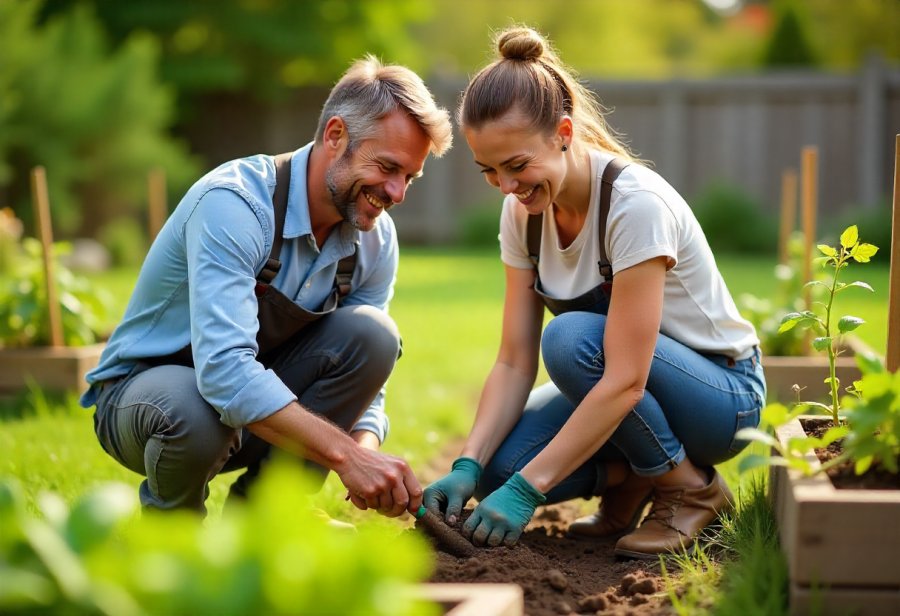
In a world dominated by screens and digital interactions, it’s easy to forget how powerful simple outdoor activities can be for building genuine connections. Gardening, in particular, offers a timeless way to slow down, breathe, and reconnect with those around us. When people work together to tend a garden, they don’t just share the workload—they share an experience that fosters intimacy and trust. The act of planting, watering, and nurturing life side by side creates a natural rhythm that encourages conversation and cooperation, often leading to deeper bonds.
Historically, communities worldwide have used shared gardens as more than just sources of food or beauty. These spaces have served as social hubs where stories are exchanged, support is offered, and a sense of belonging takes root. From ancient communal plots to modern neighborhood flower beds, working the land together has always been about more than growth—it’s been about cultivating relationships through shared effort and patience.
Engaging with nature and soil has a calming, restorative effect on the mind. Touching dirt activates a grounding sensation that helps reduce stress and anxiety. When we care for plants collectively, our brains release feel-good chemicals that promote relaxation and presence. Doing this as a team amplifies these benefits, transforming gardening into a shared ritual that nurtures both mental well-being and emotional bonds.
Gardening also teaches patience and support—traits that are essential in healthy relationships. As we tend to living things, we learn to be gentle, attentive, and supportive of each other. The physical effort involved, like digging or watering, offers a sense of accomplishment that boosts confidence and fosters positive feelings. These moments of shared effort and success create a foundation for trust and mutual pride that can strengthen any relationship.
Working outdoors together encourages open communication, whether it’s planning the next planting or sharing personal stories. Routine tasks like watering or seasonal cleanup become opportunities for connection, turning everyday chores into meaningful rituals. When approached with curiosity and patience, gardening naturally becomes a space for emotional growth, where bonds deepen without force or expectation.
Physical contact—helping someone plant a seed or holding a watering can—further reinforces closeness. These tactile acts, combined with positive dialogue, create lasting memories and a heightened sense of support. Creating a safe space to express frustrations or share feelings during gardening helps nurture vulnerability, building trust and emotional resilience.
Ultimately, gardening together reminds us that nurturing something outside ourselves reflects the care needed in healthy relationships. It offers a simple yet profound way to reconnect, heal, and deepen bonds naturally—especially in a digital age where genuine human connection can sometimes feel elusive.
Roots of Connection: The Historical and Psychological Foundations of Gardening
Gardening has been woven into human history for thousands of years, serving purposes far beyond simply growing food or beautifying spaces. Ancient civilizations like Egypt, Greece, and China relied on shared gardens not only for sustenance but as social centers where communities gathered, collaborated, and built trust. These communal spaces turned physical labor into vital social bonds, fostering cooperation across generations. Whether in medieval Europe’s monastic herb gardens or indigenous plots, working the land together created a sense of belonging that transcended individual effort.
Psychologically, engaging with soil and nature has a calming effect rooted in our biology. Touching dirt and tending plants activates grounding sensations that can reduce stress and anxiety. When we nurture living things collectively, our brains release feel-good chemicals like serotonin and oxytocin, boosting emotional resilience. This shared connection to the land transforms gardening from a solitary task into a communal ritual that promotes mental well-being and reinforces social ties.
Beyond the physical act, caring for plants teaches patience, attentiveness, and support—traits essential for healthy relationships. As we work together to water, prune, and harvest, we learn to be gentle and supportive of each other’s efforts. These shared moments of accomplishment foster trust, pride, and mutual reliance, creating a foundation for deeper emotional bonds. Over time, the routine of tending a garden encourages open communication and cooperation, making the act of nurturing life a natural pathway to connection.
Different cultures have long harnessed gardening’s social power. In Japan, neighborhood vegetable plots promote neighborly cooperation, while in the Mediterranean, harvest festivals strengthen community bonds through collective effort. These traditions demonstrate that communal gardening is more than a practical activity—it’s a universal language of care that encourages social cohesion. Modern science echoes this, showing that outdoor activities involving soil and nature can alleviate anxiety, promote mindfulness, and enhance emotional health.
The process of tending a garden isn’t just about planting or pruning; it’s about cultivating trust, patience, and shared purpose. Creating routines—like watering or seasonal cleanups—turns gardening into a calming ritual that deepens relationships. Engaging in these small, consistent acts fosters a sense of stability and mutual support, transforming the garden into a space for emotional growth. Physical contact, whether helping someone plant a seed or sharing a smile over a blooming flower, further strengthens the sense of closeness and trust.
In essence, the roots of gardening’s power lie in its ability to connect us with both nature and each other. Its history shows that shared effort, patience, and support are timeless tools for building bonds. Today, as we face a world increasingly dominated by screens, embracing gardening’s ancient wisdom offers a meaningful way to reconnect, nurture relationships, and find healing through the simple act of working the land together.
Modern Gardens, Modern Bonds: How Today’s Gardening Fosters Healing and Connection
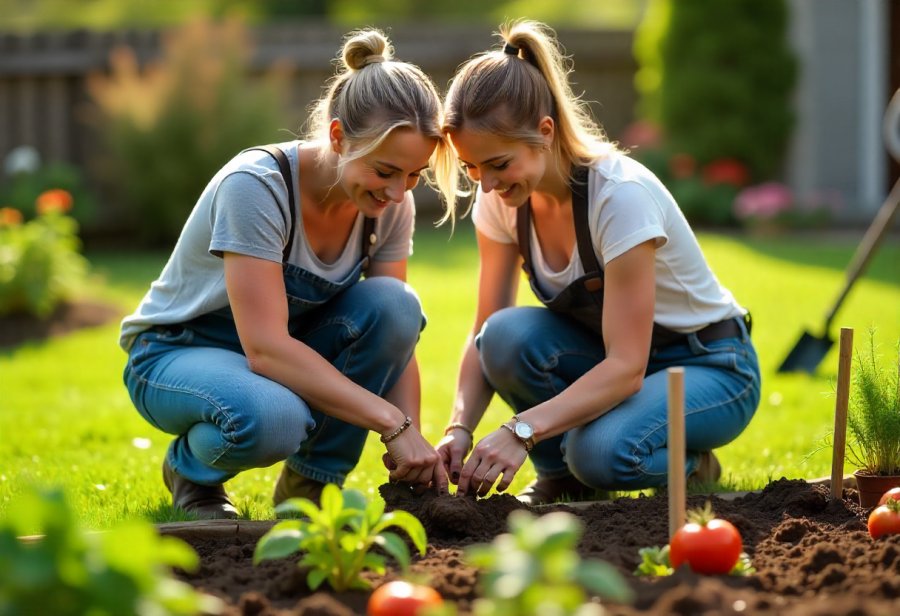
Today’s gardening scene is more diverse and accessible than ever, making it a powerful tool for fostering connection and healing. Community gardens have become popular meeting spots where neighbors work together, share tools, and celebrate collective harvests. These shared spaces encourage teamwork, spark conversations, and create a sense of belonging that extends beyond just growing plants. Urban rooftop gardens transform cityscapes into lush retreats, offering city residents a chance to reconnect with nature and each other through small but meaningful acts of cultivation. Backyard projects—whether vegetable beds, flower borders, or container gardens—provide intimate settings where families and friends bond through joint effort.
Contemporary practices also include innovative approaches like therapeutic gardening programs, designed specifically to promote mindfulness and emotional expression. These structured activities turn outdoor work into healing rituals, helping participants cope with mental health challenges or life transitions. Many programs incorporate art, reflection, and collaboration, fostering purpose and social bonds. Meanwhile, online garden communities—via social media and forums—keep the spirit of shared gardening alive across distances. Enthusiasts exchange tips, celebrate successes, and offer support, building a global network centered on growth and connection.
Modern environmental awareness shapes how we approach gardening today. Practices like urban permaculture and eco-friendly container gardening make it easier for anyone to participate without harming the planet. These methods foster a sense of purpose, linking personal well-being with sustainability efforts. As more people adopt eco-conscious techniques, gardening becomes a way to deepen our relationship with nature, reinforcing its healing and bonding power. Yet, barriers like limited outdoor space, time constraints, and feelings of inexperience still exist. Overcoming these challenges requires inclusive, manageable programs that welcome diverse participants, expanding gardening’s reach as a universal tool for connection.
Advances in technology further open new avenues for bonding through gardening. Virtual platforms, social media groups, and online tutorials create spaces where people across the globe can share insights and celebrate progress. These digital communities complement physical gardens, fostering a sense of belonging beyond geographical boundaries. Embedding gardening into health, education, and workplace initiatives can make it a routine part of self-care and social interaction. As urban landscapes evolve, sustainable and accessible gardening practices will be essential in making outdoor spaces welcoming and meaningful for everyone.
Looking ahead, integrating traditional outdoor work with modern technology offers exciting opportunities. Apps, virtual communities, and online resources can support ongoing engagement and shared purpose. Embedding gardening into broader health and educational programs can normalize it as a daily activity that nurtures emotional well-being. As cities grow denser, ensuring access to green spaces through innovative, eco-friendly solutions will be key. These efforts help maintain gardening’s role as a universal language of care, capable of uniting people across diverse backgrounds.
Despite progress, challenges remain. Not everyone has easy access to outdoor space or feels confident starting a garden. Cultural differences, language barriers, and feelings of inexperience can limit participation. Addressing these issues involves designing inclusive environments and offering tailored, manageable programs that foster confidence. When barriers are lowered, gardening’s potential as a bonding tool expands, making it truly universal. The simple act of tending plants together reminds us that growth—personal or relational—requires patience, support, and shared effort.
As we look to the future, the potential for gardening to deepen human connections continues to grow. Its history and modern adaptations show that shared effort, patience, and support foster trust and emotional resilience. By expanding inclusive programs, leveraging technology, and integrating gardening into daily routines, we can create spaces—both physical and virtual—where bonds flourish. In a world increasingly shaped by screens and rapid change, tending a garden together remains a timeless act of care, offering healing and connection rooted in the simple joy of growing life side by side.
Cultivating Closeness: Practical Strategies to Deepen Relationships Through Gardening
Sharing a garden isn’t just about planting side by side; it’s about cultivating a mindset of teamwork, patience, and open communication. Starting with simple tools like creating a planting schedule or dividing tasks based on each person’s strengths can turn gardening into a bonding experience. For example, one might focus on preparing the soil while another takes charge of watering or harvesting. This division not only makes the work more manageable but also fosters a sense of mutual reliance and pride in what you accomplish together.
Establishing routines transforms gardening into a shared ritual that deepens connections. Regular activities like watering, seasonal cleanup days, or planting new seeds at the same time create natural opportunities for interaction. These routines develop a calming rhythm, turning gardening into a soothing activity that provides stability and comfort in relationships. During these moments, conversations flow more freely, and small gestures—such as complimenting someone’s plant choices or expressing gratitude—help strengthen emotional bonds.
Encouraging reflection and creativity can further deepen your connection. Keeping a gardening journal to document progress or sketch ideas invites storytelling and shared memories. Discussing these reflections often sparks conversations about nature, sustainability, or personal experiences, fostering understanding and trust. Choosing themed planting projects, like butterfly gardens or herb beds, also provides a shared purpose that inspires collaboration and a shared vision.
Approaching gardening with curiosity and patience enhances relationship growth. Active listening—truly paying attention to each other’s ideas and concerns—builds trust and mutual respect. Celebrating small wins, like a blooming flower or a fruitful harvest, creates moments of shared joy that reinforce emotional bonds. Over time, these acts of encouragement and recognition turn routine tasks into meaningful rituals rooted in support and appreciation.
Physical contact during gardening—helping someone plant a seed or sharing a watering can—further fosters closeness. These tactile moments create lasting memories and deepen emotional support, especially when combined with positive dialogue. Creating a space where frustrations can be expressed and feelings shared during gardening helps develop vulnerability, which strengthens trust and emotional resilience in the relationship.
Finally, regularly checking in on how these shared activities impact your bond can highlight growth. Noticing more open conversations, increased patience, or a greater sense of support signals a strengthening connection. Keeping a simple journal or having casual talks about your gardening experiences reinforces the emotional gains. When ongoing acts of care and appreciation are part of your routine, gardening becomes more than a chore—it transforms into a shared journey of growth, rooted in patience, support, and mutual effort.
Growing Together: Future Possibilities for Gardening as a Bonding Force
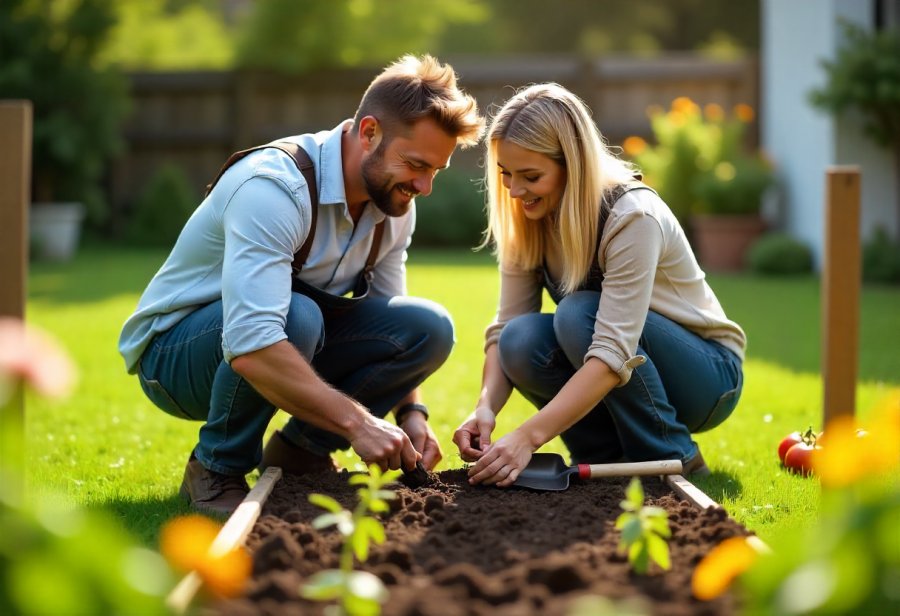
As we look ahead, the potential for gardening to deepen human connections remains vast and promising. Its enduring power lies in simple acts—shared effort, patience, and support—that foster trust and emotional resilience. Community gardens, therapeutic programs, and neighborhood projects showcase how accessible and impactful gardening can be for building bonds. Expanding these initiatives and making them more inclusive could reach a broader audience, especially those who feel disconnected or lack outdoor space. When barriers like limited resources or confidence are lowered, gardening’s role as a universal tool for connection becomes even more significant.
Technology opens new avenues for fostering bonds through gardening. Online platforms, social media groups, and virtual tutorials break down geographical barriers, allowing people from different backgrounds to share insights, celebrate successes, and support each other’s growth. These digital communities complement physical gardens, creating a sense of belonging that spans distances. As these spaces grow, they contribute to a global network centered on emotional well-being, making gardening not just a solitary activity but a shared experience that unites people worldwide.
Integrating gardening into health, education, and workplace settings can amplify its benefits. Schools and workplaces increasingly recognize outdoor activities’ positive impact on mental health, embedding gardening programs into routines that nurture ongoing social interaction. Such initiatives offer regular opportunities for connection, helping individuals develop patience, support, and cooperation in everyday life. When gardening becomes a routine part of self-care and communal effort, it reinforces the idea that nurturing life—plants or relationships—requires the same gentle patience and shared commitment.
Environmental consciousness also influences how we approach gardening’s future. Sustainable practices like urban permaculture, eco-friendly container gardening, and climate-conscious design make it easier for anyone to participate without harming the planet. These methods foster a sense of purpose, linking personal growth with environmental responsibility. As more people embrace eco-friendly techniques, gardening becomes a way to strengthen bonds with nature and promote collective healing, reinforcing its role as a tool for both individual and community resilience.
Despite these promising developments, challenges remain. Not everyone has equal access to outdoor space or feels confident starting a garden. Cultural differences, language barriers, and feelings of inexperience can limit participation. Overcoming these obstacles requires creating inclusive, manageable programs and environments that encourage diverse participation. When efforts are tailored to different needs and abilities, gardening’s capacity to foster connection becomes truly universal, transforming it into a shared language of care and growth.
The future of gardening as a connector depends on how well we can innovate and adapt. Virtual communities, educational resources, and integrated programs have the potential to sustain engagement and deepen bonds. Embedding gardening into daily routines—whether at home, school, or work—can make it a natural part of self-care and relationship-building. As urban landscapes evolve, sustainable and accessible gardening practices will be essential in ensuring everyone can experience its healing and unifying effects.
In the end, tending to plants together is more than an activity—it’s a reminder that growth, whether personal or relational, thrives on patience, support, and shared effort. As we nurture these small acts today, we lay the groundwork for stronger, more resilient bonds tomorrow. Gardening’s timeless simplicity offers a deeply human way to reconnect, heal, and grow together in a world that often pushes us apart.