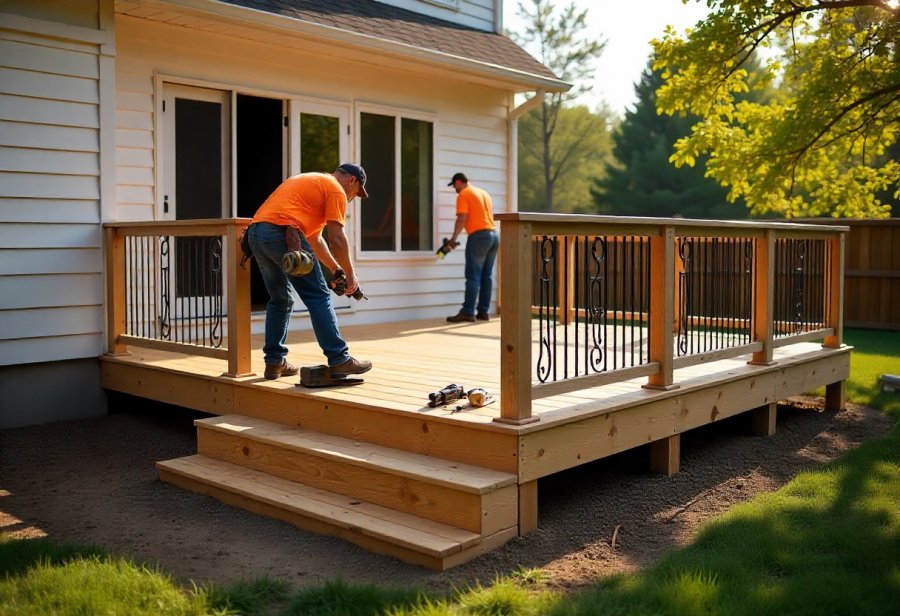
Can Toronto yards truly become lush, sustainable retreats that balance beauty with environmental responsibility? This comprehensive guide explores the transformative potential of eco-conscious landscaping, emphasizing native plants, eco-friendly materials, and water-smart features tailored to Toronto’s unique climate. It delves into the principles of sustainable design, illustrating how thoughtful planning and local resources can craft resilient, vibrant outdoor spaces. From selecting the right materials to managing practical challenges like soil quality and budget constraints, the article navigates every step of creating a harmonious landscape. As technology advances, future innovations promise even more efficient, adaptable, and eco-friendly solutions—raising the question: how far can we push the boundaries of sustainable outdoor living? Ultimately, this blend of aesthetic appeal and environmental mindfulness offers homeowners a chance to redefine their outdoor spaces, making them not just beautiful escapes but vital contributions to urban ecological health.
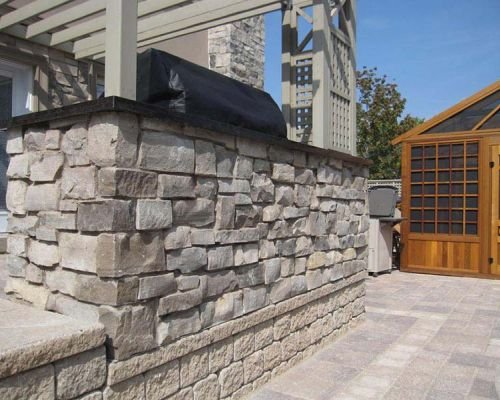
Transform Your Toronto Backyard Into a Personal Oasis
Transforming a simple backyard into a welcoming outdoor retreat has become a popular goal for many homeowners in Toronto. As urban life speeds up and city spaces become more compressed, the desire to create a personal outdoor haven right outside the door grows stronger. A well-designed yard isn’t just about boosting curb appeal; it’s about crafting a space that offers a peaceful escape for relaxation, social gatherings, or quiet reflection. For Toronto residents, blending beauty with practicality is key—choosing native plants and eco-friendly materials that withstand the city’s unique climate while maintaining visual charm.
Today’s homeowners see outdoor spaces as multifunctional areas—places to enjoy morning coffee, host family barbecues, or unwind after a busy day. With thoughtful planning, these yards can serve all these purposes, making outdoor living accessible and enjoyable. In a city where green spaces are limited, having a private outdoor retreat becomes more than a luxury; it’s a vital part of everyday life that provides a much-needed connection to nature and a break from the urban hustle.
Designing these spaces involves more than just selecting attractive plants and stylish furniture. It’s about creating harmony between aesthetics and sustainability—integrating native species, eco-friendly materials, and water-smart features that thrive in Toronto’s climate. This approach ensures the yard remains vibrant and low-maintenance year-round, reducing environmental impact while elevating the overall look. It’s a way to turn a basic patch of land into a resilient, personalized outdoor sanctuary.
This shift toward eco-conscious landscaping reflects broader cultural values. Many Toronto homeowners are now more aware of their environmental footprint and want their outdoor spaces to reflect these concerns. Incorporating rain gardens, native plantings, and sustainable materials supports local ecosystems and fosters pride in responsible stewardship. These thoughtful choices transform ordinary yards into eco-friendly retreats that celebrate both beauty and environmental consciousness.
Creating a backyard that combines visual appeal with sustainability isn’t just a design challenge—it’s a reflection of evolving lifestyles. People seek outdoor spaces that are not only beautiful but also durable and eco-friendly. With careful planning and a focus on native plants and sustainable materials, Toronto yards can become vibrant, resilient spaces that support relaxation, social interaction, and environmental health for years to come.
Foundations of Eco-Friendly Landscape Design in Toronto
Creating a sustainable landscape in Toronto begins with understanding the environment you’re working with. Native plants form the foundation of eco-friendly yard design because they’re naturally suited to Toronto’s soil and climate. Selecting species like serviceberries, oak trees, or wildflowers means your yard requires less water, fertilizers, and pesticides, supporting local biodiversity and creating a resilient, vibrant landscape that thrives with minimal intervention. This approach simplifies maintenance and reduces environmental impact, making your outdoor space both beautiful and responsible.
Incorporating eco-friendly materials is essential. Reclaimed wood, permeable pavers, and recycled aggregates help lower your yard’s carbon footprint while adding texture and character. These durable materials stand up better to Toronto’s weather fluctuations, ensuring your landscape remains attractive over time. Using sustainable materials also means fewer repairs and replacements, which further minimizes environmental harm and keeps your yard looking its best year after year.
Water conservation plays a central role in sustainable landscape design. Rain gardens and permeable pavements manage stormwater naturally, reducing runoff and pollution. Installing efficient irrigation systems, like drip watering or weather-based controllers, ensures plants receive just what they need without waste. Capturing rainwater in barrels or creating small wetlands supports local ecosystems and alleviates pressure on Toronto’s drainage infrastructure, making your yard more eco-friendly.
Layering native plants with a variety of textures and colors adds visual interest and depth. These plants typically resist pests and diseases better, which means fewer chemical treatments and healthier soil. The result is a lush, vibrant landscape that remains attractive year-round with less effort, aligning beauty with sustainability and ease of maintenance.
Design features that blend aesthetics with eco-functionality elevate your yard’s sustainability. Natural stone pathways, water features, and microclimate-supporting trees serve as focal points while supporting local ecosystems. These elements create shaded, wind-protected microclimates that make outdoor spaces more comfortable and energy-efficient, enhancing both form and function seamlessly.
Maintaining a healthy, eco-friendly yard involves ongoing care that supports native plants and features. Regular pruning, organic fertilization, and soil monitoring promote natural flourishing. Seasonal practices like mulching or replacing plants as needed keep the landscape resilient and vibrant over time. Incorporating these routines ensures your yard continues to support environmental health and aesthetic appeal with minimal effort.
The key to successful sustainable landscaping lies in thoughtful planning and execution. Starting with a detailed site analysis helps identify challenges and opportunities—be it soil quality, sun exposure, or drainage issues. This knowledge guides your choices, ensuring your design is resilient and tailored to Toronto’s climate, so your yard remains beautiful and sustainable long-term.
Ultimately, adopting these core principles creates a landscape that’s both visually stunning and environmentally responsible. Native plants, eco-friendly materials, water-smart features, and thoughtful design work together to craft outdoor spaces that are easy to maintain and resilient against changing conditions. This balanced approach not only elevates your yard’s beauty but also supports broader ecological goals, making your outdoor retreat a true reflection of sustainability in action.
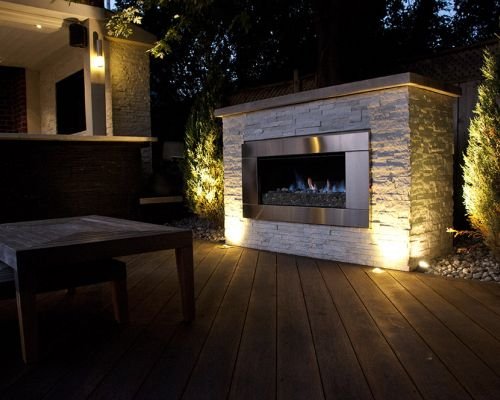
Creating Beautiful, Sustainable Yards Through Thoughtful Implementation
Implementing sustainable and aesthetic design in Toronto yards requires a careful blend of thoughtful planning and practical execution. Starting with a detailed site assessment—examining soil quality, sunlight exposure, drainage, and existing native vegetation—provides the foundation for a resilient landscape. This step helps identify potential challenges and opportunities, guiding choices that support the long-term health and beauty of the yard.
Choosing the right materials is crucial. Opt for local, eco-friendly options like permeable pavers, reclaimed wood, and recycled aggregates. These materials not only lower the project’s carbon footprint but also withstand Toronto’s weather fluctuations better over time. Working with local suppliers can streamline logistics, reduce transportation emissions, and ensure materials are suited to the climate, making the entire process more sustainable.
During installation, attention to detail makes a significant difference. Proper site preparation—such as grading for proper drainage—prevents future problems and extends the lifespan of your landscape. Clear communication with your contractor allows for timely adjustments if unexpected issues, like soil compaction or space constraints, arise. Breaking the project into phases offers flexibility, giving you opportunities to refine the design along the way without rushing decisions.
Eco-conscious features that serve multiple purposes elevate both the beauty and function of your yard. Rain gardens manage stormwater naturally while adding visual appeal with native plants and natural stone. Solar lighting extends usability into the evening without increasing energy consumption. Naturalistic water features support local ecosystems, creating inviting microclimates that enhance comfort and energy efficiency.
Real-world projects in Toronto demonstrate that sustainability and aesthetics go hand in hand. Replacing turf with native grasses and wildflowers creates vibrant landscapes that attract pollinators and require minimal upkeep. Installing permeable paving and planting native trees reduces runoff and creates shaded, cooling areas. These examples prove that eco-friendly choices can enhance visual interest and create inviting, functional outdoor retreats.
Maintaining these landscapes requires ongoing care rooted in sustainability principles. Regular pruning, organic fertilization, and soil monitoring keep native plants thriving naturally. Seasonal practices like mulching or replacing select plants help retain resilience and vibrancy. Incorporating these routines from the outset ensures your yard remains beautiful, sustainable, and adaptable over time.
Collaboration is key to a successful transformation. Regular check-ins with your landscape team keep everyone aligned, enabling quick adjustments that improve quality. Phasing the work allows you to see results firsthand, building confidence in each step. This approach not only enhances the final outcome but also makes the process more manageable and enjoyable.
By combining strategic planning, eco-conscious choices, and attentive execution, Toronto yards can become stunning outdoor retreats that balance beauty with responsibility. Thoughtful integration of native plants, sustainable materials, and multi-purpose features creates spaces that are resilient, functional, and visually captivating—proof that sustainability and aesthetic appeal can truly coexist in the heart of the city.
Practical Steps for Successful Toronto Yard Renovations
Executing sustainable and aesthetic yard renovations in Toronto demands careful planning and a clear understanding of the city’s specific conditions. Starting with a thorough site assessment—examining soil quality, sunlight exposure, drainage, and existing native vegetation—lays a solid foundation. This helps identify potential challenges early on and guides informed decisions that enhance the landscape’s resilience and longevity. Knowing your space allows for smarter plant choices, material selection, and layout design, making the entire process more efficient and aligned with your goals.
Choosing the right materials is just as critical as selecting plants. Prioritize local, eco-friendly options like permeable pavers, reclaimed wood, and recycled aggregates. These materials help reduce your project’s carbon footprint and stand up better against Toronto’s weather fluctuations. Working with nearby suppliers streamlines logistics, cuts transportation emissions, and ensures your materials are well-suited to the local climate, all contributing to a more sustainable renovation.
During installation, attention to detail can’t be overstated. Proper site preparation—such as grading for effective drainage and avoiding shortcuts—prevents future issues and extends the lifespan of your landscape. Regular communication with your contractor keeps the project on track and allows for adjustments if unexpected obstacles, like soil compaction or space constraints, arise. Breaking the work into phases offers flexibility, giving you opportunities to refine the design and avoid costly mistakes.
Addressing practical challenges like budget limits and site limitations is essential without sacrificing your sustainability goals. While eco-friendly materials and native plants may have higher upfront costs, they deliver long-term savings through lower maintenance and environmental benefits. Soil issues, such as poor drainage, can be managed with amendments or structural solutions—early planning ensures these are incorporated into your timeline and budget, preventing surprises later.
Utilizing the right tools and resources can make a significant difference. Landscape design software helps visualize your project before breaking ground, ensuring your ideas translate well into reality. Local organizations like the Toronto and Region Conservation Authority offer valuable advice on sustainable practices and potential funding options. Collaborating closely with your landscape team throughout the process ensures your vision is realized seamlessly.
Maintaining your yard’s health over time involves ongoing care rooted in sustainability. Regular pruning, organic fertilization, and soil monitoring keep native plants thriving naturally. Seasonal adjustments like mulching or replacing select plants help your landscape stay vibrant and resilient. Incorporating these routines from the start ensures your outdoor space remains beautiful, functional, and environmentally responsible for years to come.
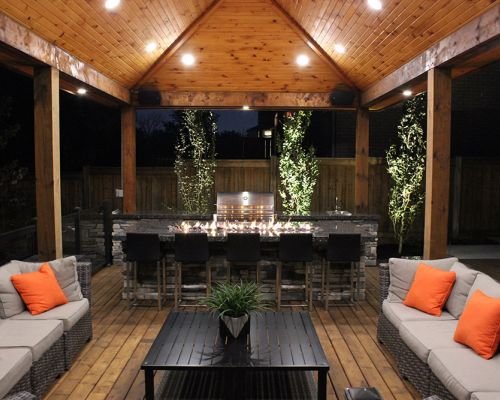
Looking Ahead: Innovations and Trends in Sustainable Outdoor Spaces in Toronto
Looking ahead, Toronto’s outdoor spaces are poised for exciting innovations that blend sustainability with creativity. Smart irrigation systems, guided by soil sensors and weather data, will make watering more efficient, reducing waste while keeping native plants healthy and vibrant. These technologies simplify maintenance and support long-term resilience, aligning with the city’s push toward environmentally conscious living.
Green infrastructure will continue to grow in importance, with features like living walls, edible gardens, and natural stormwater management systems becoming more common. These elements add visual appeal while supporting local ecosystems and improving urban climate resilience. As eco-friendly materials—such as recycled plastics and biodegradable composites—become more accessible, responsible landscaping will be easier and more affordable for homeowners seeking both beauty and sustainability.
Design philosophies are shifting toward adaptable landscapes that withstand extreme weather and changing climate conditions. Resilient yards will incorporate multifunctional features, like microclimates created by shade trees and water elements, fostering comfort and energy efficiency. Integrating food production, from vegetable gardens to small orchards, will turn outdoor spaces into productive, sustainable retreats that promote self-sufficiency and environmental awareness.
Despite these promising trends, barriers like costs and specialized knowledge may slow adoption. Ongoing education, community programs, and scalable solutions tailored to different budgets will be key to making sustainable landscaping more widespread. As awareness grows, more residents will see their yards not just as outdoor extensions of their homes, but as vital components of the city’s ecological fabric.
The future of Toronto’s outdoor spaces lies in a harmonious blend of innovation, thoughtful design, and a shared commitment to environmental stewardship. By embracing emerging technologies and sustainable practices, homeowners can create outdoor retreats that are not only stunning but also resilient and eco-friendly. These evolving landscapes will serve as models of how beauty and responsibility can coexist, enriching both personal lives and the city’s urban ecosystem for years to come.