Imagine your car’s battery as the unseen hero powering every start and spark of your vehicle’s electrical life—yet so many overlook its importance. Could a simple routine check prevent the frustration of unexpected breakdowns? Regularly inspecting and cleaning the terminals, monitoring fluid levels, and testing voltage might seem minor, but these small habits dramatically boost your car’s reliability. When your battery is healthy, your vehicle responds with unwavering dependability, whether facing city commutes or long journeys. But what if neglecting these simple steps leads to sudden failures when you least expect it? The contrast between proactive maintenance and reactive repairs is stark—one ensures peace of mind, the other invites roadside stress. Discover the secrets to trouble-free driving through straightforward, effective battery care that keeps your car ready to start at a moment’s notice—because in the end, isn’t reliable transportation worth a little effort?

Unlock Worry-Free Driving with Essential Car Battery Care
Your car’s battery might not be the most glamorous part under the hood, but it’s undeniably one of the most essential. It acts as the engine’s heartbeat, providing the initial burst of power needed to start the vehicle and ensuring that all electrical systems—lights, radio, onboard computers—operate smoothly. Without a healthy battery, even the most reliable car can leave you stranded at the worst possible moment. That’s why a few simple maintenance steps should be part of your routine driving habits, not just reserved for car enthusiasts or mechanics.
Think of your battery as the core of your vehicle’s electrical health. Inside, lead plates submerged in sulfuric acid generate the electricity that ignites your engine and keeps your electronics running. When you turn the key or press the start button, the battery supplies that crucial first jolt of energy to the starter motor. Once the engine is running, the alternator takes over, but your battery remains vital for powering systems like headlights, the radio, and onboard sensors when the engine is off. Recognizing this fundamental role highlights why keeping your battery in good shape directly influences your car’s overall reliability.
Many drivers overlook regular battery checks, assuming it’s a complicated or time-consuming task. In truth, a quick visual inspection can reveal early signs of trouble—corrosion, loose connections, or low fluid levels—that might otherwise go unnoticed until it’s too late. Catching these issues early can prevent inconvenient breakdowns and expensive repairs. A simple look under the hood can save you from being stranded on a busy street or in a remote area, especially during extreme weather when your battery faces additional stress.
Regular maintenance doesn’t require advanced tools or technical skills. Starting with inspecting the battery terminals for corrosion—white, bluish, or greenish deposits—is easy enough. Cleaning off corrosion with a baking soda and water mixture, then rinsing and drying thoroughly, restores good contact and prevents electrical hiccups. Ensuring that the connections are tight and secure is just as important. If your battery has removable caps, checking the fluid levels and topping up with distilled water when needed helps keep the chemical reactions inside functioning optimally. These small steps can extend your battery’s lifespan and keep your vehicle dependable day after day.
Monitoring your battery’s health with a voltmeter adds an extra layer of security. A reading around 12.6 volts indicates a fully charged, healthy battery. Significantly lower readings suggest the battery may be weakening or nearing the end of its service life. Performing this check periodically—before long trips or seasonal changes—can help catch problems early. Most auto parts stores or mechanics offer quick testing if you’re unsure how to do it yourself. These simple checks are a proactive way to ensure your vehicle starts reliably whenever you need it.
In the end, caring for your car’s battery isn’t just about avoiding breakdowns—it’s about peace of mind. When your battery is in good shape, your vehicle becomes more dependable and ready for whatever lies ahead. Incorporating routine inspections—like cleaning terminals, checking fluid levels, and monitoring voltage—can make a significant difference. These small habits prevent many common issues and help keep your car running smoothly, so you can focus on the road instead of worrying about unexpected failures. With just a little attention, you’ll feel more confident behind the wheel, knowing your vehicle is prepared to start whenever you turn the key.

Core Strategies to Keep Your Battery and Vehicle Running Smoothly
Maintaining your car battery’s health doesn’t have to be complicated, but it does require consistent attention. A key step is inspecting the battery terminals regularly for corrosion, which often appears as a white, bluish, or greenish buildup. Corrosion can impede the flow of electricity, leading to starting issues or electrical glitches. Cleaning these deposits with a paste made from baking soda and water, applied with a toothbrush, is simple and effective. Rinse thoroughly afterward and dry the terminals well to prevent further buildup. Keeping the connections tight and clean ensures a solid link between the battery and your vehicle’s electrical system, promoting reliable starts and smooth operation.
Checking the electrolyte levels inside your battery is equally straightforward if your model allows for it. Removing the caps and inspecting the fluid ensures the lead plates stay submerged in sulfuric acid, which is crucial for optimal chemical reactions. When levels are low, topping up with distilled water helps maintain the battery’s capacity to produce power. This is especially important during hot weather or after long drives, where evaporation can decrease fluid levels. Proper electrolyte maintenance keeps the internal chemistry balanced, reducing the risk of sudden failures and prolonging the life of your battery.
Monitoring your battery’s voltage with a simple voltmeter offers an easy, non-invasive way to gauge its health. A fully charged, healthy battery typically reads around 12.6 volts when the engine is off. Readings significantly below that signal the battery is weakening or nearing the end of its service life. Regular checks—especially before long trips or seasonal changes—can alert you to declining performance early on. If you’re unsure how to perform these tests, most auto parts stores or mechanics can do them quickly. Staying proactive with voltage monitoring helps you avoid unexpected breakdowns and keeps your vehicle dependable.
Securing your battery connections is often overlooked but makes a big difference. Loose or corroded terminals can cause intermittent electrical issues, making your car difficult to start or causing accessories to malfunction. Tightening the clamps with a wrench and removing corrosion with a wire brush or a toothbrush dipped in baking soda solution keeps the current flowing smoothly. This routine step is quick and inexpensive but can prevent many common starting problems. Regularly inspecting and tightening connections ensures your vehicle remains reliable, especially during cold mornings or when you need it most.
Beyond visual checks and cleaning, pay attention to subtle signs of aging or damage. Swelling cases, cracks, or leaks indicate it’s time for a replacement. Dimming headlights, sluggish engine cranks, or unusual smells near the battery are warning signs that your battery’s performance is declining. Addressing these early can prevent roadside emergencies and save you from being stranded. Replacing an aging battery before it fails unexpectedly is often the simplest way to maintain your vehicle’s dependability and avoid costly repairs or breakdowns.
Integrating these maintenance practices into your routine doesn’t demand much time but offers significant benefits. By regularly inspecting terminals, checking fluid levels, monitoring voltage, and ensuring tight connections, you create a proactive shield against unexpected failures. These small efforts build up to a stronger, more reliable electrical system, giving you peace of mind on the road. Instead of reactive fixes after breakdowns, you’re actively preventing problems before they start, keeping your vehicle running smoothly when it matters most. A little effort now ensures worry-free driving and greater confidence behind the wheel.
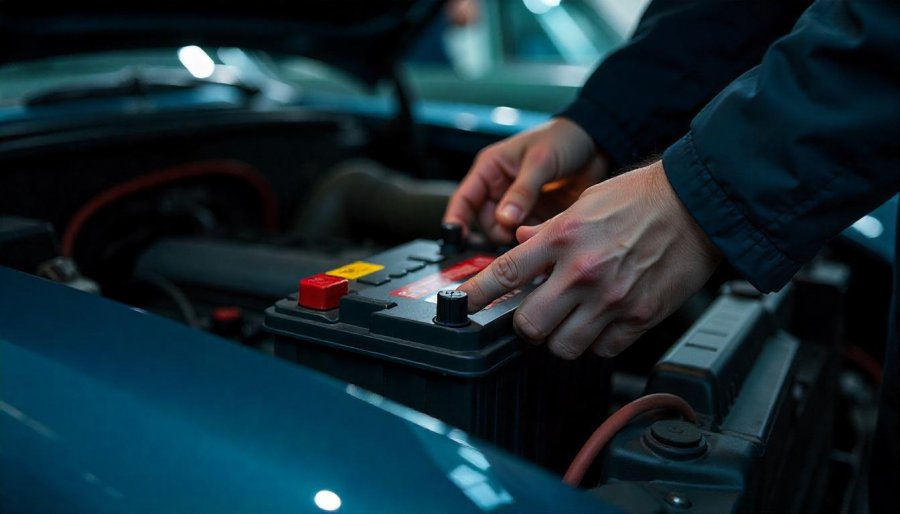
Ensure Dependability Through Proper Battery Maintenance
Keeping your car’s battery in good shape is a key factor in ensuring your vehicle’s overall dependability. A well-maintained battery reduces the chances of unexpected stalls and breakdowns, especially during those critical moments when you need your car to start without hesitation. When the battery is healthy, your car becomes more reliable, giving you confidence whether you’re heading to work, running errands, or embarking on a long trip.
One of the easiest ways to support this reliability is by addressing corrosion early. White or bluish deposits around the terminals aren’t just unsightly—they can significantly impair the flow of electricity. Regularly cleaning the terminals with a simple mixture of baking soda and water keeps the connection solid and prevents electrical hiccups. This quick routine helps maintain a steady current, reducing the likelihood of starting issues caused by poor contact. In the long run, a clean, tight connection makes a noticeable difference in your vehicle’s performance.
Checking the electrolyte levels inside your battery, if your model allows, is another straightforward step that boosts confidence in your vehicle’s reliability. When the fluid is low, the lead plates aren’t fully immersed, which hampers the chemical reactions needed for optimal power generation. Topping up with distilled water ensures the internal components stay submerged and functioning properly. Especially during hot weather or after extended drives, keeping these levels balanced prevents sudden failures and prolongs your battery’s lifespan. It’s a small effort that pays off with a more dependable start every time.
Monitoring your battery’s voltage with a simple voltmeter offers a quick indicator of its health. When the engine is off, a reading around 12.6 volts points to a fully charged, healthy battery. Anything significantly lower suggests it’s losing capacity and may soon need replacing. Regular checks—before long trips or seasonal shifts—give you a heads-up on potential issues. If you’re uncertain about how to perform these tests, most auto parts stores or mechanics can help. Staying proactive with voltage monitoring means fewer surprises and a more dependable vehicle day after day.
Beyond these routine checks, paying attention to subtle signs of aging—like dimming headlights, sluggish cranking, or unusual smells—can alert you before a complete failure occurs. Addressing these early signs by replacing an aging battery prevents roadside emergencies and keeps you moving without stress. Regular visual inspections and listening to your car’s cues help you stay ahead of problems, ensuring your vehicle remains a reliable partner no matter the conditions. In the end, consistent care creates a more dependable drive, giving you peace of mind every time you turn the key.