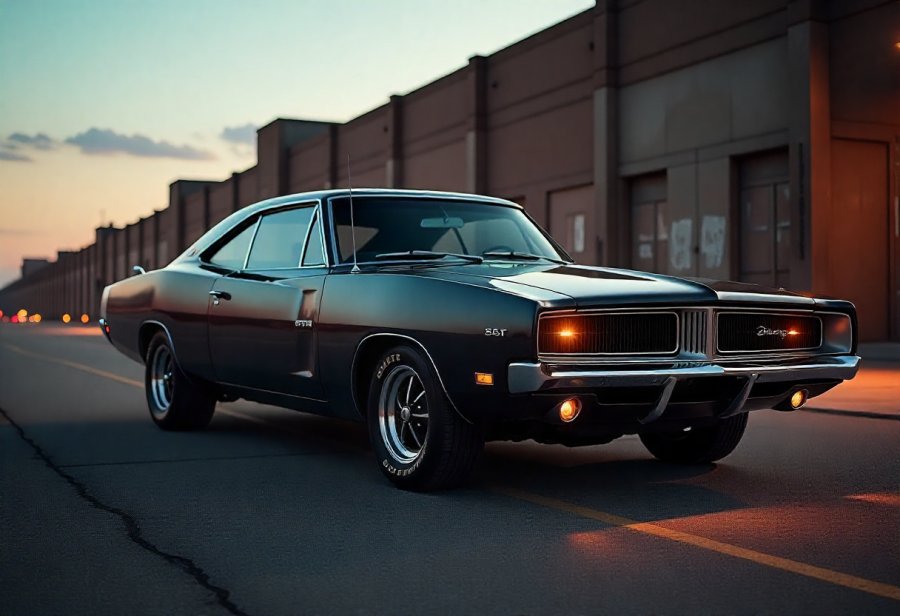
Step back into the roaring heart of the 1970s muscle car era with the Chevrolet SS, a symbol of American power, style, and rebellious spirit. From its aggressive design elements—wide fenders, racing stripes, and thunderous V8 engines—to its cultural significance as a statement of freedom and defiance, this era defined an automaker’s pursuit of speed and attitude. But what makes these machines truly timeless? Is it their raw horsepower, iconic aesthetics, or the nostalgia they evoke? This guide explores how to revive and preserve these legendary vehicles, emphasizing authenticity and meticulous restoration, ensuring they continue to roar with life. As the legacy of the Chevrolet SS endures, it invites enthusiasts to embrace the thrill of the past while shaping the future of muscle car culture. Can you resist the allure of a car that embodies both power and rebellion at every turn?
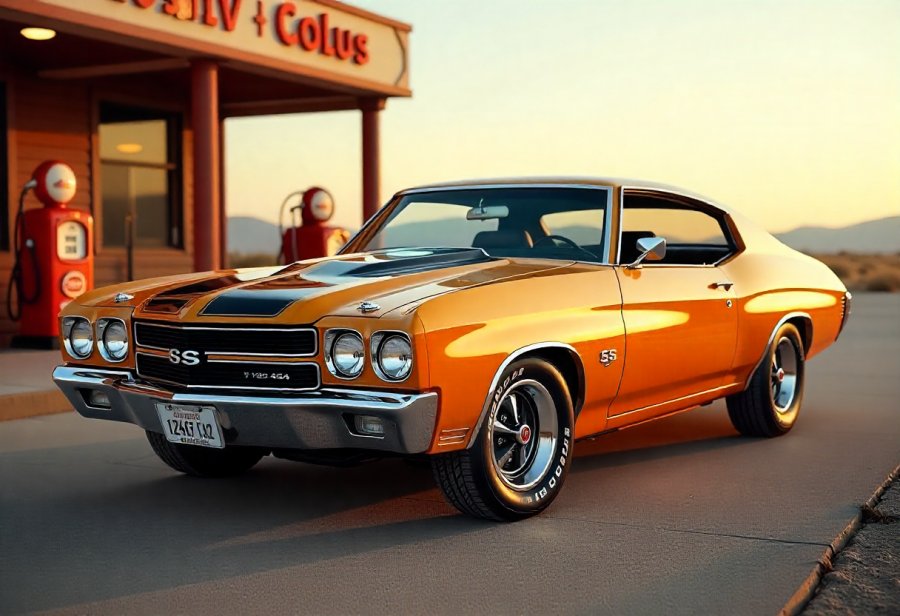
The 1970s Chevrolet SS: An Icon of American Muscle and Rebellion
The 1970s Chevrolet SS stands as a true symbol of American muscle cars, capturing the rebellious spirit and raw power that defined an entire era. Its bold styling and thunderous engines evoke a sense of excitement that still resonates today. Whether cruising down a highway or parked at a car show, the Chevrolet SS’s distinctive design and deep, growling exhaust create an irresistible allure. For enthusiasts, it’s more than just transportation—it’s a rolling piece of history that embodies strength, freedom, and American ingenuity.
During this decade, muscle cars like the Chevrolet SS became icons of identity and rebellion. Built for speed and style, these vehicles combined aggressive aesthetics—wide fenders, racing stripes, and powerful engines—with an attitude that appealed to a generation eager for thrill and adventure. They represented a time when pushing horsepower to its limits was a shared pursuit, and each model told a story of performance and defiance.
The design of the Chevrolet SS reflects its racing heritage and engineering prowess. Its muscular stance, marked by broad fenders and a prominent grille, signals serious performance. Under the hood, it housed some of the era’s most formidable engines, including the legendary 454 cubic inch V8 capable of producing up to 450 horsepower. This engine didn’t just deliver impressive numbers; it produced a deep, guttural sound that became the signature soundtrack of muscle cars, turning every drive into an adrenaline-fueled experience.
Beyond its technical specs, the Chevrolet SS became a cultural icon. It embodied American confidence and the desire for speed, standing out at street races and car shows alike. Its loud engine roar and striking appearance drew crowds and fostered a dedicated community of collectors and enthusiasts. Even decades later, these vehicles continue to inspire admiration and passion, serving as a testament to an era when horsepower and attitude reigned supreme.
In essence, the 1970s Chevrolet SS remains a powerful reminder of a golden age of automotive design and performance. It symbolizes a time when muscle cars weren’t just about getting from point A to B—they were about making a statement. Its legacy endures in the hearts of collectors and fans, a perfect blend of style, strength, and rebellious spirit that continues to captivate new generations.
Foundations of the Muscle Car Era: Power, Style, and American Spirit
The muscle car scene of the 1970s was all about pushing the limits of speed, style, and American engineering. These cars weren’t just built to go fast; they were designed to turn heads and make a statement. At their core, muscle cars featured massive V8 engines—like the legendary 454 cubic inch powerplants—that could deliver up to 450 horsepower. This drive for raw performance wasn’t just about numbers; it reflected a rebellious attitude that defined the era. The roar of these engines became a signature soundtrack, echoing down highways and street races alike.
Design played a crucial role in establishing muscle cars’ commanding presence. Wide fenders, aggressive grilles, and cowl-induction hoods signaled serious performance, even when parked. Bright paint colors like Hugger Orange or Rally Green, coupled with racing stripes and chrome accents, made each car stand out as a rolling piece of art. These aesthetic choices weren’t just for show—they communicated the car’s aggressive personality and high-performance intent. Every detail, from badges to body lines, reinforced the idea that these cars were built for speed and attitude.
Underneath the striking exterior, technical innovations drove muscle cars’ reputation for power. Upgraded suspensions, dual exhausts, and high-rise intake manifolds maximized engine output and handling. The sound of a big-block V8 roaring through dual exhausts became a symbol of American muscle. Automakers competed fiercely to develop engines that could produce more horsepower, often pushing past regulatory limits. These advancements made muscle cars not just fast but also durable and capable of handling the thrill of high-speed driving.
Culturally, muscle cars became symbols of freedom and rebellion. They represented a desire to break free from social norms, with their thunderous engines and flashy paint jobs embodying individuality. Car shows and street races turned into stages where these machines showcased their dominance. The sound of a V8 echoing through the streets became an anthem for a generation seeking excitement and adventure. This cultural identity helped cement muscle cars as icons of American confidence and ingenuity.
Despite their peak popularity, the 1970s also marked the beginning of challenges for muscle cars. Rising fuel prices, stricter emissions standards, and higher insurance costs started to curb the horsepower craze. Yet, the legacy of these powerful machines persisted, fueled by a passionate community of enthusiasts. Restorations and collections kept the spirit alive, ensuring that the legend of the muscle car era remains a vital part of American automotive history. These cars continue to symbolize an era when performance, style, and rebellion came together in perfect harmony.
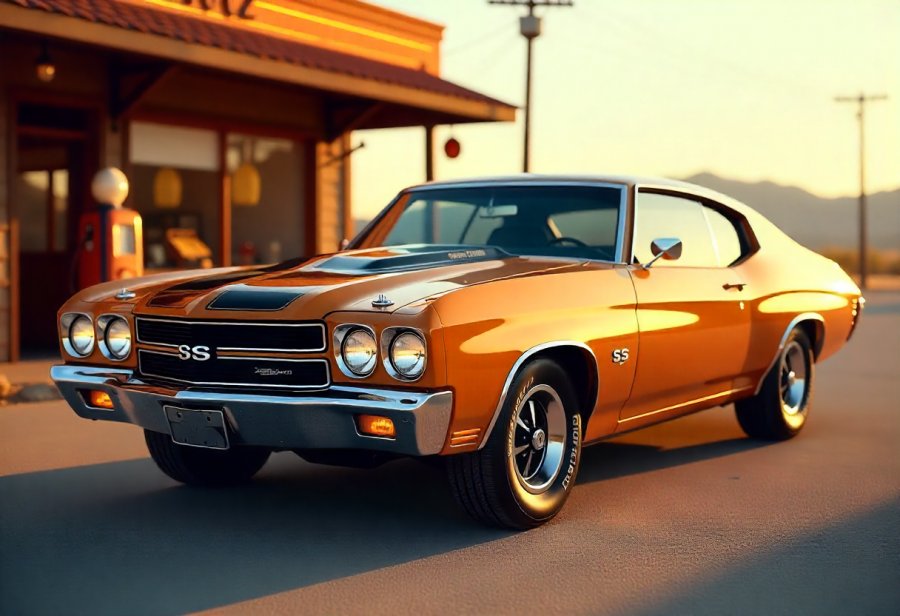
Design and Performance Features: The Art of Muscle Car Engineering
The design and engineering of the 1970s Chevrolet SS are what truly set it apart as a muscle car icon. Its muscular stance isn’t just about looks; it’s a bold statement of raw power. Wide fenders and a prominent grille give the car an aggressive presence, while the cowl-induction hood hints at the beast lurking beneath. The sleek body lines, accented by racing stripes and chrome details, create a visual that’s both fast and stylish—an unmistakable symbol of high-performance driving. Every curve and detail was crafted to convey strength and speed, making it impossible to ignore whether on the street or at a car show.
Beneath that commanding exterior, the Chevrolet SS was built with serious mechanical upgrades. Reinforced suspensions with heavy-duty shocks and springs handled the immense power of its engine without sacrificing ride quality. Dual exhaust systems amplified performance and produced that signature muscle car growl that enthusiasts cherish. These mechanical features weren’t just for show—they enhanced handling, durability, and the overall driving experience, enabling the car to unleash its full potential on the open road.
The lineup of the 1970s Chevrolet SS, especially the Chevelle SS 454, showcased a range of models each with distinct personalities but sharing core performance traits. The Chevelle SS 454, powered by a massive 454 cubic inch V8 producing up to 450 horsepower, remains the most iconic. Its design elements—wide fenders, racing stripes, and a cowl-induction hood—signaled speed and brute strength. Meanwhile, the Camaro SS offered a sleeker, more agile option, appealing to drivers who valued handling alongside power. Both models featured aggressive styling and badges that communicated their muscle car pedigree, making them favorites among enthusiasts seeking both visual impact and serious performance.
Visual cues played a vital role in defining these cars’ identities. Bright paint colors like Hugger Orange or Rally Green, paired with racing stripes and chrome accents, made each vehicle stand out as a rolling work of art. These aesthetic choices weren’t just about looks—they shouted performance and attitude. Badging like “Super Sport” reinforced their high-performance status, transforming the car into a symbol of rebellion and freedom. Every curve and detail worked in harmony to create a commanding presence that announced its power before the engine even roared to life.
At the heart of the 1970s Chevrolet SS was its legendary engine lineup. The 454 cubic inch V8, equipped with high-rise intake manifolds and dual exhausts, maximized airflow and horsepower, delivering that deep, thunderous exhaust note that became the soundtrack of muscle cars. This wasn’t just about impressive numbers; it was about delivering an adrenaline rush with every acceleration. Paired with its aggressive styling and engineering, the Chevrolet SS embodied the peak of American muscle—raw, loud, and capable of turning any road into a stage for performance.
Reviving and Collecting the Classic: Preserving the Legacy of the Chevrolet SS
Reviving and collecting the Chevrolet SS today is a rewarding journey that keeps the spirit of muscle car greatness alive. For enthusiasts, the first step is diving into thorough research—learning about the original specifications, rare models, and authentic parts guides every restoration and collection effort. Connecting with dedicated clubs, online forums, and vintage car shows opens doors to a wealth of knowledge and support, making the process more enjoyable and informed. These communities are invaluable for discovering where to find genuine parts and verifying a vehicle’s authenticity, ensuring your project stays true to its roots.
When selecting a Chevrolet SS to restore or add to your collection, authenticity is key. Carefully trace the vehicle’s history and examine its features to confirm originality. A well-documented history not only boosts its value but also preserves its legacy for future generations. Restoration involves balancing preserving vintage charm with enhancing mechanical performance. Decide whether to keep the car as a driver or restore it to showroom condition—each choice shapes your approach and the steps you’ll take.
Restoring a muscle car demands patience and an eye for detail. Begin with a comprehensive assessment of the car’s current state, noting areas that need repair or replacement. Authentic parts—badges, trim, interior details—are essential for maintaining its original appearance. Document each step during disassembly to simplify reassembly and ensure accuracy. Rebuilding or sourcing period-correct components for the engine, suspension, and bodywork enhances both performance and authenticity. Preserving original paint shades and badges keeps the iconic muscle car aesthetic intact.
As the restoration progresses, paying close attention to small details makes a big difference. Replacing parts with genuine replicas rather than aftermarket alternatives helps maintain value and authenticity. Restoring original colors, decals, and badges preserves the visual identity that defines these cars. When reassembling, aim for a balance between vintage appearance and mechanical integrity, so the vehicle performs as impressively as it looks. This careful approach ensures your Chevrolet SS remains a true reflection of its legendary status.
Once your Chevrolet SS is restored, proper maintenance becomes crucial. Regular oil changes, fluid checks, and cooling system upkeep keep the engine running smoothly. Protect the paint with consistent washing and waxing, especially if you plan to display or drive the car frequently. Gentle cleaning and conditioning of the interior help preserve its vintage charm. Storing the vehicle in a dry, climate-controlled environment prevents rust and deterioration, extending its life and ensuring it remains a showpiece for years to come.
Preserving a Chevrolet SS is more than a restoration project; it’s a way to keep alive a piece of American muscle history. Every detail, from the engine’s roar to the vintage paint, echoes the rebellious spirit of the 1970s muscle car era. Each restored vehicle serves as a tangible link to a time when horsepower and attitude defined the open road. By investing in careful restoration and consistent care, enthusiasts safeguard this legacy, ensuring that future generations can experience the thrill and style of these iconic machines.
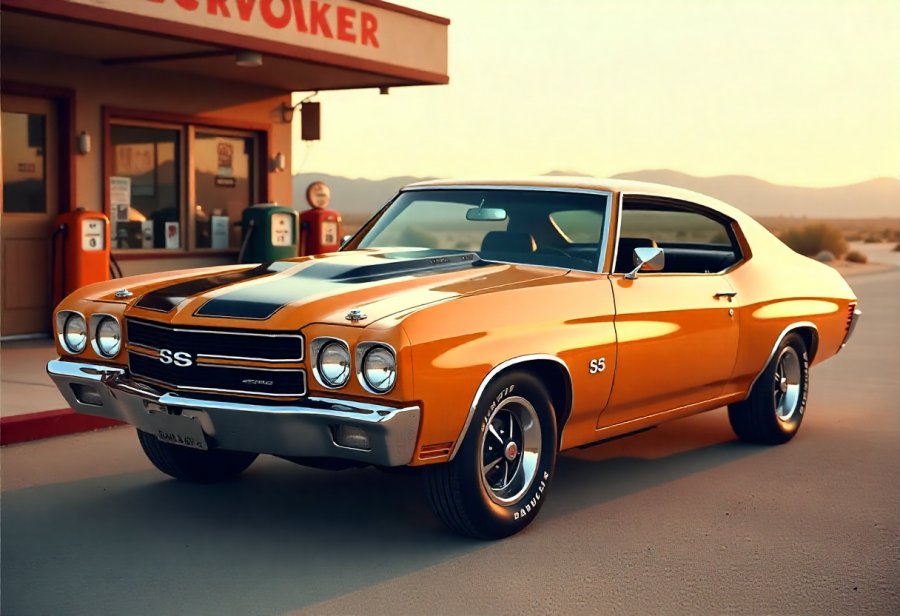
Future Reflections and Legacy: The Enduring Impact of the Chevrolet SS
The legacy of the Chevrolet SS from the 1970s continues to reverberate through the automotive world, shaping perceptions of muscle cars and performance legends. These vehicles embody a peak moment in American automotive history—where raw power, bold design, and rebellious spirit converged to create something truly iconic. Their influence persists not only through restored classics and enthusiast collections but also in the way modern manufacturers draw inspiration from their aggressive styling and performance cues. The Chevrolet SS has become a benchmark for what it means to build a car that commands attention and delivers excitement.
As decades pass, the cultural significance of these muscle cars deepens. Restored or well-preserved models regularly fetch high prices at auctions, serving as tangible links to an era defined by innovation and daring. They stand as symbols of American ingenuity, embodying a desire for freedom on wheels and unfiltered speed. For many enthusiasts, owning and restoring a Chevrolet SS isn’t just about nostalgia; it’s about preserving a piece of national pride and automotive artistry that continues to inspire new generations.
The influence of 1970s muscle cars extends beyond their physical presence. Modern automotive design often echoes their bold aesthetics—wide stances, aggressive lines, and performance-oriented details are now common in contemporary models. Even electric and hybrid performance cars incorporate elements inspired by these muscle cars’ emphasis on power and attitude. This ongoing dialogue between past and present highlights how deeply rooted the Chevrolet SS’s spirit remains in the DNA of automotive innovation.
Restoring and collecting these cars today is more than a hobby; it’s a commitment to safeguarding a vital chapter in American culture. Each engine rebuild, every original badge restored, and all the attention to detail serve to keep alive the rebellious attitude and fearless pursuit of speed that defined the era. These efforts ensure that the roar of the big-block V8 and the visual impact of period-perfect finishes continue to captivate future audiences, proving that their legacy is far from fading.
The Chevrolet SS’s story is a testament to the enduring power of American muscle. It reminds us that the desire for unrestrained performance and striking design is timeless. Every restored model, every enthusiast’s story, adds to a collective narrative that celebrates the raw energy and bold style of the 1970s muscle car era. As new generations discover these machines, the legend grows stronger, fueling passion and innovation for years to come. The roar of these classics remains a powerful call—an invitation to keep the spirit of rebellion and horsepower alive.