In a world where seamless communication can make or break a business, how can organizations transform chaos into order with customizable telephony solutions? Grandstream’s innovative devices and cloud management platform offer a game-changing approach, streamlining deployment, enhancing security, and optimizing network performance. From simple high-definition phones for small teams to advanced models with touchscreens and multiple lines, these devices adapt effortlessly to diverse organizational needs. The centralized control via GDMS simplifies management, allowing remote provisioning, updates, and troubleshooting—reducing errors and downtime. As businesses seek agility and resilience, leveraging such tailored solutions turns communication infrastructure into a strategic advantage. But what does the future hold when AI, automation, and smarter networks converge? Will organizations that embrace these innovations stay ahead of the curve, transforming their networks into powerful engines for growth and customer engagement? The shift toward personalized, scalable telephony is not just inevitable—it’s essential for future success.
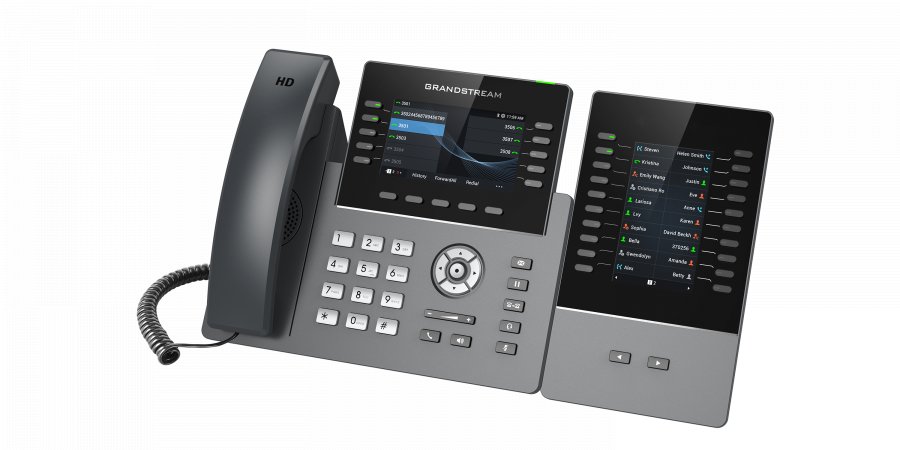
Transform Your Business with Customizable Telephony Solutions
In today’s fast-moving business world, effective communication isn’t just a convenience—it’s a core necessity. Companies need systems that can adapt quickly, support growth, and respond to changing demands without chaos. That’s where customizable telephony solutions come in. Instead of a rigid, one-size-fits-all setup, these tailored systems let organizations design their communication networks around their specific workflows, making interactions smoother and more professional.
Customizable telephony isn’t just about adding bells and whistles; it’s about creating a more efficient, resilient infrastructure. When businesses can personalize call routing, voicemail options, and user interfaces, they improve the overall experience for both employees and customers. This level of flexibility helps reduce miscommunications, speed up responses, and elevate service quality. Plus, cloud-managed devices enable remote updates and configurations, which means less downtime and fewer disruptions—saving time and resources.
Technological advances have made these adaptable systems more accessible than ever. Cloud platforms like Grandstream’s GDMS provide centralized control, allowing IT teams to manage multiple devices from a single dashboard. Whether it’s provisioning new phones, monitoring performance, or applying security updates, everything can be handled remotely. This simplifies deployment, scales easily with business growth, and minimizes the need for on-site technical work—key advantages for organizations managing multiple locations or a growing remote workforce.
The shift toward personalized communication solutions reflects a broader trend of smarter, more responsive networks. As customer expectations continue to rise, businesses that invest in tailored telephony systems gain a strategic edge. They can quickly implement new features, support remote work, and adapt to future needs—all while maintaining high standards of reliability and security. This proactive approach turns communication infrastructure into a powerful asset for growth and innovation.
Embracing customizable telephony solutions isn’t just a technological upgrade; it’s a fundamental shift toward more agile, efficient, and customer-focused organizations. By leveraging the right devices and management platforms, companies can build a future-proof network that evolves seamlessly with their ambitions. In a world where connectivity is everything, investing in flexible, tailored communication systems ensures that businesses stay connected, competitive, and ready for whatever comes next.
Building Blocks of Telephony: Hardware, IP Phones, and Network Management
Telephony technology forms the backbone of modern business communication, combining hardware and software to enable voice exchanges over traditional lines and the internet. At the core are IP phones, which convert analog voice signals into digital data that travels seamlessly across local networks or the web. These devices vary from simple desk phones to sophisticated models with touchscreens, multiple lines, and programmable keys, designed to meet the diverse needs of organizations.
Managing these systems effectively is essential to ensure reliable, high-quality communication. Quality of Service (QoS) features are vital, as they prioritize voice traffic to prevent lag and maintain clear calls even during busy network periods. Regular monitoring, security updates, and configuration adjustments help optimize performance, minimizing disruptions and safeguarding the integrity of conversations. This ongoing oversight creates a stable environment where communication flows smoothly.
Unlike traditional landlines, IP phones offer remarkable flexibility. They easily integrate with business applications like customer relationship management (CRM) systems and support features such as call forwarding, voicemail, and conference calls. This integration streamlines workflows, reduces manual tasks, and creates a unified platform that enhances overall productivity. As a result, organizations can deliver faster, more consistent service and improve internal collaboration.
The evolution of telephony hardware has been driven by technological advances. Early systems relied heavily on physical infrastructure and manual setup, which limited scalability and increased maintenance costs. Today, cloud-managed platforms allow remote configuration, updates, and troubleshooting, simplifying deployment and ongoing management. Centralized control systems like Grandstream’s GDMS enable IT teams to oversee multiple devices from a single dashboard, making scaling and maintenance straightforward and less error-prone.
Deployment strategies depend on organizational size and infrastructure needs. On-premises setups offer complete control but require more resources for upkeep. Cloud-based solutions provide quick setup and remote management, ideal for dynamic or distributed teams. Hybrid models combine both approaches, offering flexibility tailored to specific operational requirements. Choosing the right strategy hinges on security, capacity, and future growth plans.
By understanding these fundamental elements—hardware, network management, deployment options, and best practices—businesses can build a resilient, scalable telephony environment. This solid foundation supports customized solutions that adapt to evolving needs, ensuring clear, reliable communication at every level. Whether upgrading existing infrastructure or deploying new systems, a clear grasp of telephony basics prepares organizations to optimize their networks for efficiency and growth.
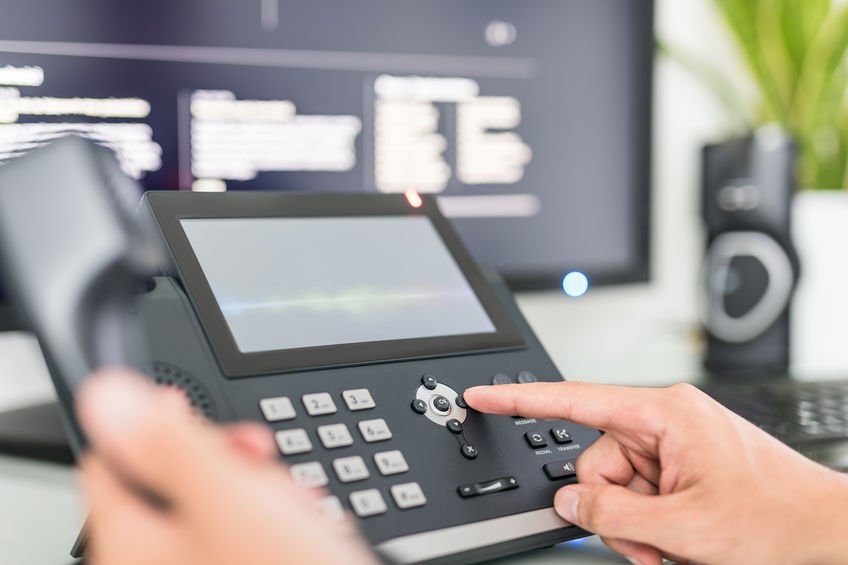
Enhancing Network Performance and Deployment with Grandstream Devices
Grandstream’s devices are designed to significantly boost network performance while simplifying deployment. With centralized cloud management, IT teams can configure, monitor, and update devices remotely from a single platform. This approach streamlines the setup process, reduces human errors, and eliminates the need for on-site visits, allowing organizations to scale their communication infrastructure quickly and efficiently.
Beyond easing deployment, Grandstream’s hardware is optimized for network efficiency. Many models include Quality of Service (QoS) settings that prioritize voice traffic, ensuring calls are clear and lag-free even during peak network usage. These devices also incorporate robust security protocols like encrypted communications and secure boot processes, safeguarding conversations and protecting against cyber threats. This combination creates a stable, trustworthy environment for daily business communication.
The variety of Grandstream’s IP phones caters to different organizational needs. Smaller teams benefit from entry-level models offering high-definition audio, while larger organizations can choose advanced phones with large touchscreens, multiple lines, and programmable keys. These devices seamlessly integrate with existing systems such as CRM platforms and auto-attendants, supporting customized workflows that enhance productivity across departments.
Managing large fleets of phones becomes straightforward with Grandstream’s cloud platform, GDMS. Administrators can provision hundreds or thousands of devices simultaneously, saving time and reducing configuration errors. Firmware updates, security patches, and troubleshooting can all be handled remotely, minimizing disruptions and keeping the network running smoothly. This scalability and ease of control make Grandstream solutions ideal for growing businesses and multi-site deployments.
Overall, Grandstream’s devices transform network management by combining high-performance hardware with intelligent remote control features. They enable rapid deployment, optimized use of network resources, and enhanced security—all from a single interface. This integrated approach turns complex deployment challenges into manageable tasks, helping organizations create resilient, adaptable telephony environments that grow with their needs.
By leveraging these devices, companies can ensure reliable, high-quality communication without the usual technical headaches. The centralized management capabilities streamline ongoing maintenance and updates, freeing IT teams to focus on strategic initiatives rather than routine troubleshooting. As a result, organizations can maintain a strong, secure communication backbone that supports their immediate operations and future expansion.
In a landscape where agility and efficiency are crucial, Grandstream’s hardware provides the foundation for a future-proof telephony network. Its capability to support quick scaling, remote management, and robust security makes it a smart choice for businesses aiming to stay ahead. With these tools, organizations can confidently navigate the complexities of network deployment and focus on what truly matters: delivering exceptional service and fostering growth.
Ultimately, Grandstream’s solutions embody a smarter approach to network efficiency—combining cutting-edge technology with user-friendly management. They turn what was once a complicated, error-prone process into a streamlined, reliable operation. For any organization seeking to overhaul their communication systems, these devices offer a clear path to a more efficient, secure, and scalable future.
Mastering Grandstream IP Phones: Features, Deployment, and Management
Grandstream’s IP phones are at the core of building a flexible, scalable telephony system that’s easy to deploy and manage. Designed to meet a variety of organizational needs, these phones range from simple, high-definition models for small teams to advanced devices equipped with large touchscreens, multiple lines, and programmable keys for power users. Their intuitive design simplifies setup, allowing IT teams to configure multiple devices remotely with minimal effort, which accelerates deployment and reduces errors.
One of the key advantages of Grandstream’s IP phones is their seamless integration with cloud management platforms like GDMS. Administrators can push configurations, firmware updates, and security patches across hundreds or thousands of phones from a single dashboard. This centralized control not only speeds up onboarding but also ensures consistency, preventing call quality issues caused by misconfigurations. Moreover, remote troubleshooting capabilities help resolve problems swiftly, keeping the communication network stable and reliable.
Network performance is a priority for these devices. Most models support Quality of Service (QoS) settings, which prioritize voice traffic over other data streams. This feature guarantees clear, lag-free calls even during peak network usage, maintaining a professional communication experience. Security features such as encrypted communications and secure boot processes further protect conversations from cyber threats, ensuring compliance and safeguarding sensitive information.
The diverse range of Grandstream IP phones caters to specific departmental needs. Entry-level models deliver crisp audio and essential features suitable for small offices, while more advanced options include large color screens, multiple lines, and programmable keys for demanding environments. Support for Wi-Fi on select models offers flexibility for remote or mobile teams, eliminating the need for extensive wiring while maintaining high performance. This variety allows organizations to tailor their telephony environment precisely to their operational roles.
Managing large fleets of phones becomes straightforward with GDMS. IT teams can provision devices en masse, streamline firmware updates, and troubleshoot remotely—significantly reducing manual workload and deployment timelines. This scalability is especially valuable for multi-site deployments or rapidly growing companies, where quick setup and consistent management are critical.
Overall, Grandstream’s IP phones combine robust hardware with smart management features, transforming how organizations deploy and oversee their communication systems. They enable rapid, error-free deployment, optimized network resource use, and enhanced security—all from a single platform. This integrated approach turns complex deployment challenges into simple, efficient processes, supporting a resilient telephony environment that adapts to future growth.

Future-Ready Communication: Embracing Custom Telephony for Growth and Innovation
As businesses adopt customized telephony solutions, the benefits become clear and far-reaching. Tailored systems streamline daily operations, enabling organizations to respond swiftly to changing market demands and customer expectations. By leveraging devices like Grandstream’s IP phones and centralized cloud management platforms, companies can deploy and oversee their communication networks with agility and precision. This flexibility reduces downtime, minimizes human error, and ensures systems evolve seamlessly alongside business growth, transforming communication infrastructure into a strategic asset.
Emerging trends promise to amplify these advantages even further. Artificial intelligence is beginning to enhance call routing, introduce voice recognition, and generate data-driven insights that elevate customer interactions. Advanced security protocols are becoming standard, helping organizations maintain compliance and protect sensitive conversations in an increasingly digital landscape. Automation tools are now simplifying routine tasks such as device provisioning and updates, freeing IT teams to focus on strategic initiatives rather than repetitive maintenance.
Looking ahead, the future of telephony points toward smarter, more integrated networks. Seamless integration between communication systems and other business applications will create smoother workflows and more connected teams. Personalization will deepen, allowing each element of the communication environment to be tailored to individual roles, departments, or customer segments. This level of customization will empower organizations to operate more efficiently, deliver targeted service, and foster stronger relationships.
Investing in these innovations today prepares businesses to withstand unforeseen challenges and seize new opportunities. Companies embracing flexible, scalable, and secure telephony systems will be better equipped to adapt quickly—whether expanding into new markets, supporting remote workforces, or navigating cybersecurity risks. Continuous improvements in cloud management and device customization will ensure upgrades and maintenance remain straightforward and cost-effective, aligning with long-term strategic goals.
The shift toward personalized telephony solutions is redefining how organizations communicate. It moves the focus from static, hardware-dependent systems to dynamic, intelligent networks designed to grow and evolve. This transformation turns communication infrastructure into a vital driver of growth, innovation, and competitive advantage. Staying ahead means embracing these advancements now, securing a resilient, future-ready foundation that keeps organizations connected, efficient, and prepared for whatever comes next.