What if the greatest obstacle to learning to swim isn’t the water itself, but the fear of taking that first courageous step? This inspiring guide reveals that swimming is more than a skill—it’s a profound journey of empowerment, safety, and joy at any age. Through simple, deliberate practices like controlled breathing and gradual exposure, learners build trust in their bodies and confront anxieties with patience and resilience. The path to confidence is marked by small victories—floating unaided, breathing calmly, overcoming setbacks—that collectively transform water from a source of fear into a space of growth. Beyond the pool, mastering water skills unlocks new adventures, boosts independence, and fosters a resilient mindset that extends into everyday life. Are you ready to turn your water fears into freedom? With persistence and support, water can become your safe haven for confidence, fun, and personal discovery.
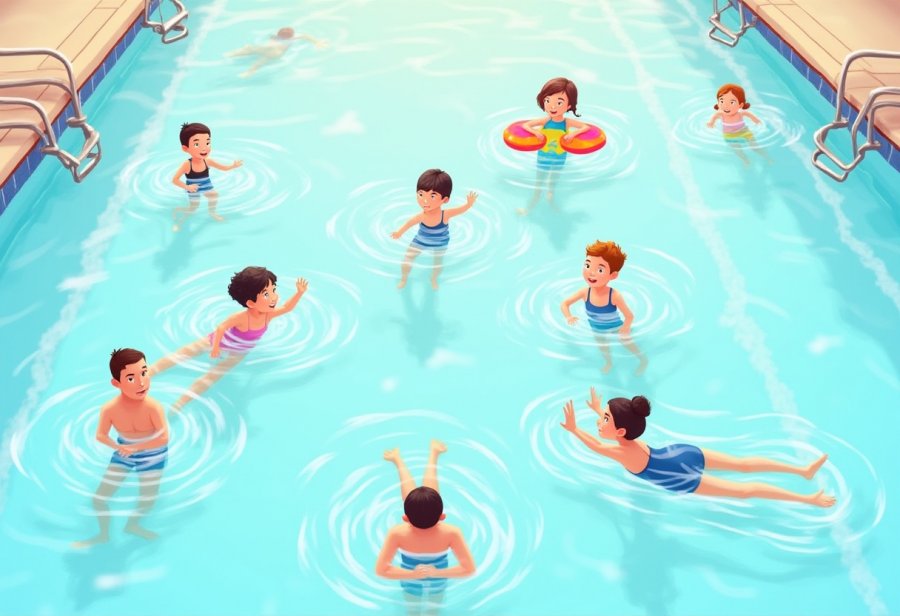
Transform Your Water Experience: Overcoming Fears and Building Confidence
Learning to swim isn’t just about mastering strokes or floating; it’s a skill that can genuinely change how you see and experience water. For many, water feels like an intimidating or even threatening environment, but gaining confidence in the pool or at the beach opens up a world of safety and enjoyment. Whether you’re starting from scratch or returning after years away, the journey begins with small, manageable steps that slowly reshape your relationship with water. It’s about trusting your body and mind enough to move beyond fear and into a space of freedom and fun.
Building water confidence is rooted in patience and consistent practice. Starting in shallow water where you can stand comfortably helps you get used to the sensation of water around you without feeling overwhelmed. Focus on slow, steady breathing—inhale deeply through your nose, exhale evenly through your mouth. This simple habit calms nerves and creates a reassuring rhythm that makes water less intimidating. Pairing breathing with supported floating or gentle movements reinforces the idea that you can stay afloat and control your body, gradually boosting your trust in water.
Taking small steps forward makes a big difference. Once you’re comfortable in shallow water, activities like blowing bubbles, splashing lightly, or floating with support on your back or stomach introduce you to weightlessness and help you trust your ability to stay afloat. Celebrating each tiny success—such as floating unaided for a few seconds or breathing calmly—encourages continued progress. Remember, learning to swim isn’t about rushing; each small achievement builds your confidence and strengthens your bond with water.
Expect setbacks along the way. When anxiety resurfaces, pause, take deep breaths, and remind yourself that patience is key. Progress in swimming isn’t always linear—some days will feel easier than others. Regular, even brief, practice helps your brain and body adapt gradually. Viewing setbacks as opportunities to learn keeps your mindset positive and resilient. Supporting yourself with flotation aids like kickboards or pool noodles during early stages can also provide extra security, making initial efforts less daunting and more achievable.
The ultimate goal is to see water not as a threat but as a space for growth, safety, and joy. Every small step you take—whether it’s dipping your toes in or floating unaided—brings you closer to feeling confident and comfortable in water. This process is about more than just swimming; it’s about reclaiming independence and opening yourself to new experiences. With patience, persistence, and a positive attitude, water transforms from an obstacle into an empowering environment, ready to support your journey at any age.
Foundations of Swimming Confidence: Simple Steps to Trust Water
Building trust in water starts with simple, deliberate exercises that help you feel safe and in control. Beginning in shallow water where you can stand comfortably allows you to get used to the sensation of water around you without feeling overwhelmed. Focus on slow, steady breathing—inhale deeply through your nose and exhale evenly through your mouth. This breathing pattern calms nerves and creates a reassuring rhythm that makes water less intimidating. Pairing it with supported floating or gentle movements reinforces the idea that you can stay afloat and manage your body, gradually building confidence.
Taking small steps forward makes a significant difference. Once you’re comfortable in shallow water, activities like blowing bubbles, splashing lightly, or floating supported on your back or stomach introduce you to the sensation of weightlessness. These exercises help you trust your ability to stay afloat and control your movements. Celebrating tiny successes—like floating unaided for a few seconds or breathing calmly—encourages further progress. Remember, progress in swimming isn’t about rushing; each small achievement reinforces your trust and keeps the journey manageable.
Expect setbacks along the way, especially when fears resurface. When anxiety spikes, pause, take deep breaths, and remind yourself that patience is key. Progress rarely follows a straight line—some days will feel easier than others. Consistent practice, even for brief periods, helps your brain and body adapt gradually. Viewing setbacks as opportunities to learn keeps your mindset positive and resilient. Using flotation aids, like kickboards or pool noodles during early stages, can provide extra security, making initial efforts feel less daunting and more achievable.
Creating a supportive environment also makes a big difference. Choose beginner-friendly pools that are warm, clean, and shallow, with friendly instructors or companions nearby. A relaxed setting helps you stay calm and open to trying new skills. Avoid rushing your progress—trust that each small step is valuable. Enjoying the process and acknowledging every milestone helps solidify your water confidence and makes learning a natural, rewarding experience.
Building lasting confidence in water is rooted in consistency. Regular exposure, even just a few minutes each day, helps your mind and body become familiar with water’s feel and rhythm. Over time, this steady effort reduces fears and boosts your trust in your abilities. Remember, it’s not about perfection but persistence. Every session, no matter how brief, brings you closer to feeling comfortable and independent in water.
By focusing on these foundational concepts—controlled breathing, gradual exposure, patience, and support—you set the stage for a confident water journey. Trust that each small effort adds up, transforming water from a source of anxiety into a space for growth and empowerment. With time and persistence, water can become a safe, enjoyable environment where fears are replaced with confidence.
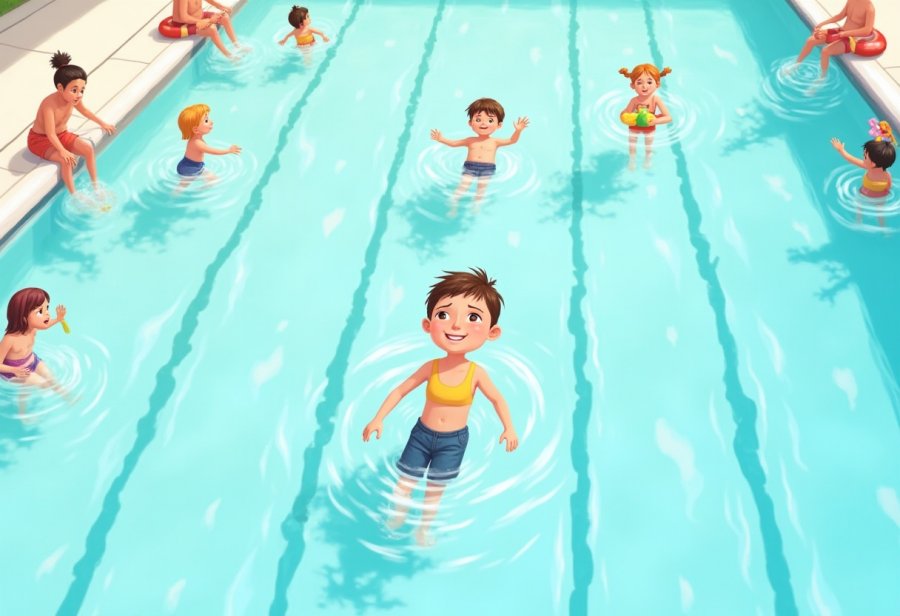
Strategies for Effective Learning: Techniques to Master Water Skills
Building trust in water starts with simple, deliberate exercises that help you feel safe and in control. Starting in shallow water where you can stand comfortably allows you to get used to the sensation of water around you without feeling overwhelmed. Focus on slow, steady breathing—inhale deeply through your nose and exhale evenly through your mouth. This breathing pattern calms nerves and creates a reassuring rhythm that makes water less intimidating. Pairing it with supported floating or gentle movements reinforces the idea that you can stay afloat and manage your body, gradually building confidence.
Taking small steps forward makes a significant difference. Once you’re comfortable in shallow water, try blowing bubbles, splashing lightly, or floating supported on your back or stomach. These activities introduce you to the sensation of weightlessness and help you trust your ability to stay afloat. Celebrating tiny successes—like floating unaided for a few seconds or breathing calmly—encourages continued progress. Remember, progress in swimming isn’t about rushing; each small achievement reinforces your trust and keeps the journey manageable.
Expect setbacks along the way, especially when fears resurface. When anxiety spikes, pause, take deep breaths, and remind yourself that patience is essential. Swimming progress rarely follows a straight line—some days will feel easier than others. Consistent practice, even for just a few minutes, helps your brain and body adapt gradually. Viewing setbacks as opportunities to learn keeps your mindset positive and resilient. Using flotation aids like kickboards or pool noodles during early stages can provide extra support, making initial efforts feel less daunting and more achievable.
Creating a supportive environment also makes a big difference. Choose beginner-friendly pools that are warm, clean, and shallow, with friendly instructors or companions nearby. A relaxed setting helps you stay calm and open to trying new skills. Avoid rushing your progress—trust that each small step is valuable. Enjoying the process and recognizing every milestone helps solidify your water confidence, making learning feel natural and rewarding. This steady approach transforms water from a source of fear into a space for growth and mastery.
Building lasting confidence in water hinges on consistency. Regular exposure, even in brief sessions, helps your mind and body become familiar with water’s feel and rhythm. Over time, this steady effort reduces fears and increases trust in your abilities. Remember, it’s about persistence, not perfection. Each practice session, no matter how short, brings you closer to feeling at home in the water. By focusing on gentle progress and celebrating small wins, you reinforce your belief that water is a safe, empowering environment.
Finally, patience and kindness toward yourself are key. Learning to swim is a journey, not a race. Every step forward, no matter how small, is a victory. Trust that with time, support, and consistent effort, water will become less intimidating and more a space for confidence and joy. Embracing this process transforms fears into freedom, unlocking new opportunities for adventure, safety, and personal growth in water.
Real-Life Impact: How Learning to Swim Enhances Daily Life and Self-Growth
Learning to swim goes far beyond just mastering strokes or floating — it can profoundly influence your daily life and personal growth. When you develop water skills, you gain a new sense of security that makes activities like beach trips, boat rides, or even accidental splashes less stressful. Knowing you can handle yourself in water reduces anxiety and opens the door to outdoor adventures and family outings, enriching your social experiences and creating lasting memories.
Building water confidence also fosters resilience and self-esteem. Overcoming the fear of water proves that challenges can be managed with patience and persistence. As you see yourself float, breathe calmly, or swim a few strokes, you reinforce the belief that obstacles are surmountable. This mindset of growth can spill over into other areas, encouraging you to embrace new hobbies, explore unfamiliar places, or take on professional challenges with renewed confidence.
Gaining water skills unlocks a new world of recreational activities and social connections. Whether joining a local swim club, participating in community events, or enjoying spontaneous dips at the lake, your confidence in water makes these experiences more accessible. It motivates you to try water sports like kayaking or paddleboarding, turning water from a source of fear into a space for fun, bonding, and adventure with friends and family.
On a deeper level, learning to swim enhances your independence. When fear no longer holds you back, you’re more willing to explore unfamiliar environments and try new things outside your comfort zone. This sense of self-reliance boosts overall confidence, making it easier to seize opportunities like traveling solo, trying new hobbies, or trusting your judgment in everyday situations. The resilience built through overcoming water fears becomes a powerful asset in many aspects of life.
For parents, teaching children to swim early sets a foundation for lifelong safety and self-assurance. Watching kids develop water skills often boosts their confidence across the board, encouraging curiosity and resilience. It also provides peace of mind, knowing they can enjoy water safely and handle themselves in various settings. These lessons, learned young, create a lasting confidence that benefits children throughout their lives, shaping a positive relationship with water and themselves.
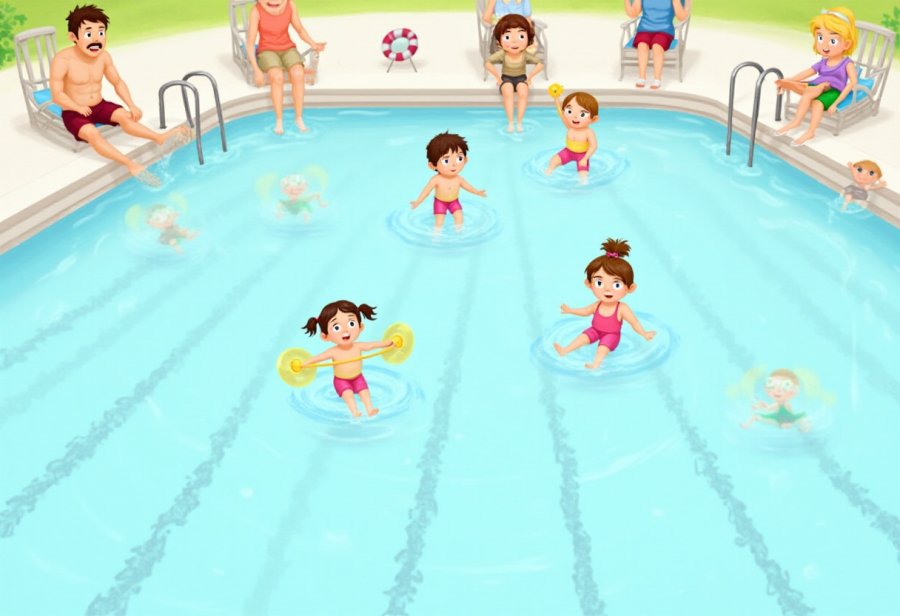
Final Encouragement: Embrace the Journey to Water Confidence and Freedom
Taking that first step to learn how to swim at any age is an act of self-empowerment. It’s about more than just mastering strokes or floating; it’s about transforming fears into confidence and opening the door to new possibilities. Every small effort—whether it’s dipping your toes in the water or floating with support—builds momentum and gets you closer to a lifelong skill that enhances safety, joy, and independence. These tiny victories prove that progress is possible at any stage of life, regardless of how long fears have held you back or how intimidating water once seemed.
Remember, this journey isn’t about perfection but persistence. Each session in the water—no matter how brief—strengthens your trust in your abilities and deepens your connection with water. Overcoming water fears requires patience and kindness toward yourself. The more you practice with that mindset, the more water shifts from an obstacle to an empowering environment. With consistent effort, water becomes a space for growth, safety, and fun rather than a source of anxiety.
Setbacks are a natural part of the process. Some days will feel easier than others, and that’s okay. The key is to stay committed and view challenges as opportunities to learn. Each obstacle you face and overcome reinforces your resilience and demonstrates that water is a place for confidence, not fear. With support, patience, and a positive outlook, you’ll find yourself gradually embracing water as a space for freedom and adventure.
Celebrate every small victory—every calm breath, every float held a little longer, every stroke that feels more natural. These moments are signs of progress and proof that your efforts are paying off. Surround yourself with encouraging people or qualified instructors who understand your journey and can help keep you motivated. Remember, it’s not about how fast you go but about showing up and trusting your own pace.
The benefits of learning to swim extend far beyond the pool. It’s about safety, independence, and opening yourself to new adventures. Whether enjoying time at the beach, trying out water sports, or simply feeling more comfortable around water, each step builds your confidence and broadens your world. The courage to begin today creates a foundation for lifelong resilience and joy, transforming water from a threat into a space for growth and self-discovery.
Trust that every small effort adds up. Over time, water will become a familiar, friendly environment rather than a source of fear. Your commitment to practice, patience, and persistence will turn anxiety into empowerment. The more you invest in this process, the stronger your belief in your ability to handle water will grow, unlocking new opportunities for fun, safety, and personal achievement.
Embrace the journey with pride and patience. Your power lies in your willingness to try and your persistence to keep going. Water is no longer an obstacle but a space where you can develop confidence, resilience, and a sense of freedom. Every splash, breath, and stroke is a testament to your strength and a step toward a safer, more confident you. Keep moving forward—your water confidence story is already unfolding, one small step at a time.