Underground street racing is more than just a high-speed pursuit; it’s a pulsating culture built on loyalty, craftsmanship, and unbreakable brotherhood. Rooted in urban shadows, these clandestine races forge bonds that transcend the adrenaline rush, creating families united by shared secrets, rituals, and resilience in the face of law enforcement crackdowns. From humble beginnings driven by rebellion, the scene has evolved into a symbol of independence and identity, influencing urban fashion, music, and automotive trends. Despite technological advances and legal pressures, its core values—trust, respect, and community—remain fiercely intact, sustained by digital networks and private gatherings. As modern racers adapt and innovate, the culture continues to thrive, embodying a universal human desire to belong and carve out a space where passion and kinship reign supreme. Could this enduring spirit redefine urban communities beyond the streets?
Pulse of the Shadows: The Heartbeat of Underground Street Racing
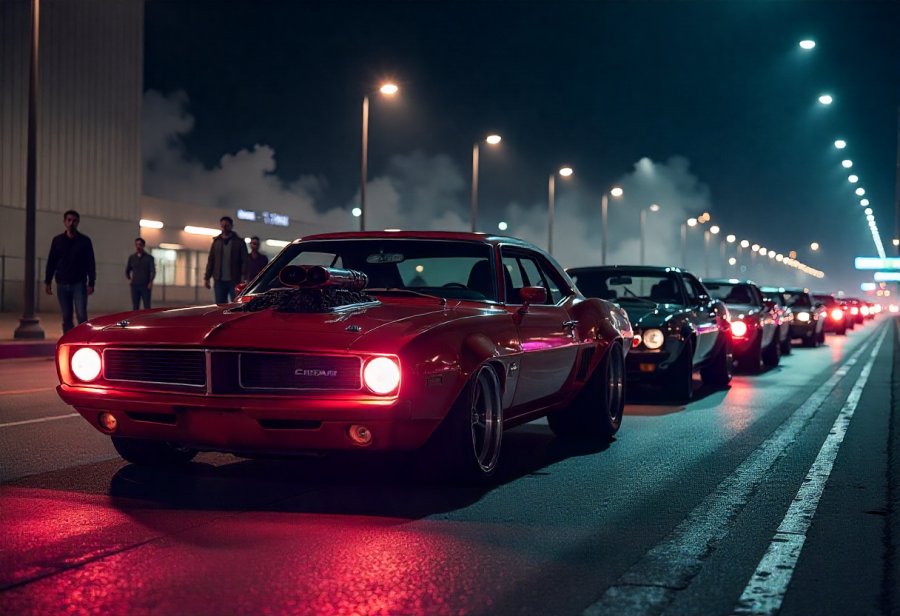
Underground street racing isn’t just about cars speeding through city streets; it’s a heartbeat that pulses through urban life. It’s a scene driven by adrenaline, craftsmanship, and a shared sense of identity that often hides in shadows and tucked-away spots. These races typically take place in abandoned parking lots, quiet backstreets, or industrial districts where secrecy amplifies the thrill. Nighttime provides the perfect cover, transforming familiar roads into clandestine raceways where engines roar and tires squeal under the cover of darkness.
At its core, underground racing is more than a contest of speed—it’s a culture built on passion and connection. Racers modify their cars extensively, tuning them for agility and raw power, with each vehicle reflecting its driver’s personality and style. These cars are like rolling canvases, featuring custom paint, performance upgrades, and unique touches that tell a story. But the real strength of this scene lies in its community—trust, loyalty, and respect form the backbone of these brotherhoods, creating bonds that extend far beyond a single race.
Night racing is the scene’s true heartbeat. Darkness offers anonymity, allowing racers to push their limits away from prying eyes. Engines rev into the night, blending with tire squeals and the hum of anticipation, creating a cinematic atmosphere of danger and exhilaration. For many, it’s not just about beating the clock; it’s about belonging to a brotherhood that shares secrets, sacrifices, and an unquenchable passion for speed. These moments forge a sense of camaraderie that fuels their loyalty and resilience.
Despite mounting law enforcement efforts and safety concerns, the underground scene persists. Digital platforms and encrypted messaging help crews organize races discreetly, maintaining their tight-knit networks across cities and regions. Many racers operate in small, trusted groups to avoid detection, showing remarkable resilience in the face of legal pressure. This digital shift has kept the culture alive, proving that the bonds of loyalty and brotherhood are stronger than any crackdown.
Ultimately, underground street racing is more than transient adrenaline—it’s a living culture rooted in shared experiences and unbreakable bonds. It’s a space where passion meets loyalty, turning the streets into a canvas for identity and kinship. As long as racers chase the thrill in the shadows, this culture will continue to thrive, a testament to the enduring power of community forged in the heat of speed.
Brothers in Speed: The Birth and Growth of Street Racing Crews
The roots of street racing brotherhoods stretch back to the late 20th century, when groups of car enthusiasts started gathering informally in urban neighborhoods. Initially, these crews formed around shared car models or regional pride, driven by a desire to push their vehicles beyond legal limits. What began as casual meetups quickly transformed into tight-knit groups that organized unofficial races and looked out for each other on the streets. Loyalty and shared experiences became the glue that held these crews together, fostering a sense of trust and mutual respect that defined their identity.
As the scene grew, pop culture and media played a significant role in shaping public perception. Movies, music, and street stories glamorized the rebellious image of underground racing, inspiring more enthusiasts to join in. These influences helped turn loosely connected groups into more organized crews, almost like families bonded by a common passion. Legendary races, rivalries, and moments of camaraderie became part of their shared history, strengthening bonds that went beyond just the act of racing.
Over time, what started as rebellious acts of defiance evolved into a broader cultural movement. Street racing crews began to see themselves as symbols of independence and craftsmanship, taking pride in customizing their cars and developing unique styles. This shift transformed underground racing from a risky pastime into a lifestyle rooted in community and resilience. The shared love for speed and artistry created a sense of belonging, turning these crews into families built on loyalty and mutual support.
Stories of perseverance and brotherhood spread across cities and regions as their reputations grew. Many crews built their legacies on skills, loyalty, and resilience, especially in the face of law enforcement crackdowns. Their narratives of overcoming obstacles and standing by each other resonated deeply, inspiring new generations to carry on the tradition. Loyalty became more than just winning races; it was about supporting each other through setbacks and celebrating each other’s growth.
Deep bonds formed as members shared not only cars and racing skills but also personal struggles and triumphs. Rituals like secret meetups, handshakes, and custom modifications became symbols of their identity and trust. These traditions created a sense of continuity, passing down core values like loyalty, respect, and craftsmanship from one generation to the next. This shared culture fostered a feeling of belonging that extended beyond the streets, embedding itself into the fabric of urban life.
Today, the legacy of these early brotherhoods continues to influence the scene. Their stories of rebellion, resilience, and loyalty are woven into urban culture, inspiring both underground racers and mainstream enthusiasts alike. Despite ongoing legal pressures, their core values remain alive—trust, kinship, and passion fueling the culture’s evolution. Their evolution reflects a human desire to belong and to carve out a space where identity, craftsmanship, and brotherhood take precedence over legality or risk.
Digital Drifts and Rising Stakes: The Modern Face of Street Racing Brotherhoods
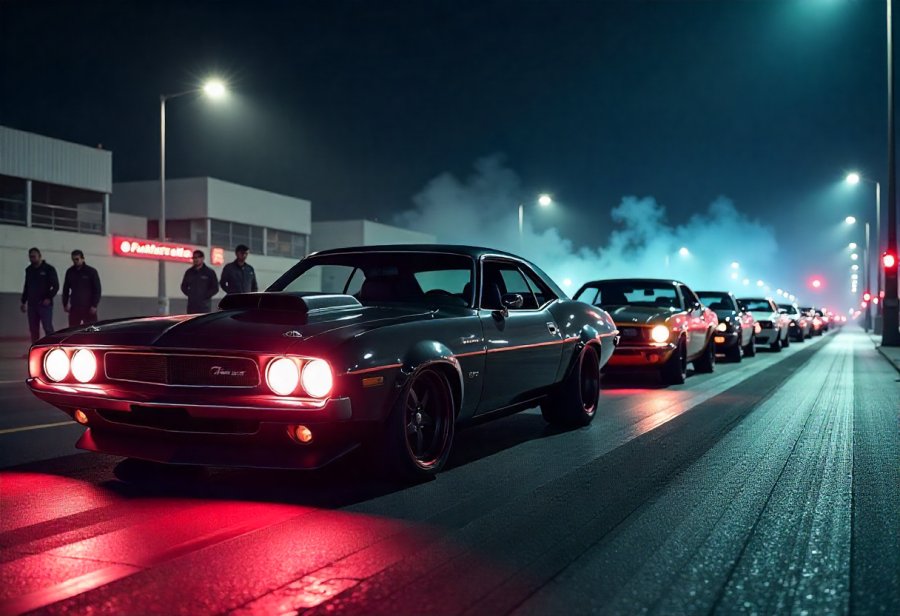
Today, underground street racing has become more sophisticated and adaptable, even as law enforcement steps up its efforts. Many crews now coordinate their races through social media, encrypted messaging apps, and private networks, making it easier to organize events discreetly across larger regions. This digital shift helps maintain the tight bonds of brotherhood, allowing racers to stay connected and share information while staying under the radar. Despite the risks, these tools have kept the scene alive, demonstrating how technology continues to shape and sustain underground culture.
Law enforcement agencies have increased surveillance, deploying cameras, undercover officers, and sting operations at known hotspots. This has pushed many crews to operate in smaller, more secretive groups, often on private property or at sanctioned events. Still, some racers prefer the adrenaline rush of street races on public roads, driven by loyalty and a desire to prove themselves. This ongoing game of cat and mouse underscores the scene’s resilience—no matter the pressure, the need for speed and brotherhood keeps it thriving.
Safety remains a major concern, as many races take place on busy streets with high speeds and reckless driving risking accidents involving pedestrians or spectators. Some experienced racers acknowledge these dangers but feel compelled by loyalty and tradition to push boundaries. To reduce harm, some crews hold private, invitation-only events or participate in legal car shows that blend their passion with more controlled environments. Still, the core values of loyalty and brotherhood often outweigh safety concerns, making responsible practices a challenge to promote within the scene.
Despite these challenges, the fundamental principles of loyalty, respect, and community remain strong. Rituals like secret meetups, handshakes, and customized cars serve as symbols of trust and shared identity. These traditions help reinforce the bonds that keep crews united, even amid external pressures. For many, racing isn’t just about the thrill—it’s about belonging to a family that shares secrets, sacrifices, and a collective love for speed. This sense of kinship keeps the culture vibrant and enduring.
The influence of underground racing extends beyond the streets into broader urban and car cultures. Their stories of resilience, craftsmanship, and loyalty inspire mainstream enthusiasts, shaping trends in tuning, fashion, and music. Car modifications—whether with paint, performance upgrades, or distinctive styling—become expressions of identity, reinforcing their cultural footprint. Social platforms and online forums connect racers worldwide, allowing the brotherhood to grow and evolve despite physical and legal barriers.
Legal crackdowns and societal perceptions continue to pose hurdles, painting underground racing as dangerous and disruptive. Many neighborhoods see it as a nuisance, prompting stricter laws and community pushback. However, some regions recognize its cultural significance and support safer, sanctioned events that honor the roots of the scene. Balancing tradition with safety requires innovation, often leading crews to organize private gatherings that preserve their values while minimizing risks.
Looking ahead, the future of underground street racing will likely involve a mix of adaptation and innovation. As electric vehicles and digital tuning tools become more prevalent, the technical skills required will evolve, blending traditional mechanics with modern technology. Online communities will continue to connect racers across borders, even as legal pressures intensify. Yet, loyalty and shared passion remain the core drivers, ensuring that the essence of brotherhood endures, no matter how the landscape changes.
Beyond the Asphalt: How Racing Brotherhoods Influence Culture and Society
Underground racing brotherhoods stretch far beyond the streets where they compete, shaping broader social and cultural landscapes. For many young people, these crews serve as vital communities where identity, belonging, and purpose are forged, especially for those who feel disconnected from mainstream society. Within these groups, members find mentorship, support, and a shared space to develop skills that extend well beyond racing—building confidence, craftsmanship, and resilience that influence many aspects of their lives.
The culture cultivated by these crews leaves a distinct mark on urban aesthetics, music, fashion, and automotive trends. Their stories of loyalty and perseverance inspire not only fellow racers but also mainstream audiences, helping elevate street racing from a rebellious secret into a recognized urban movement. Custom paint jobs, performance upgrades, and streetwear often draw from their unique style and values, influencing local businesses and media, and fostering a sense of pride within their communities.
At its core, the narrative within these brotherhoods challenges societal norms around legality and risk. They embody themes of independence, resilience, and defiance—values that resonate deeply with youth seeking to carve out their own identities. Their stories of overcoming obstacles and standing by each other highlight the importance of community, and have become urban myths that emphasize strength through collective effort rather than individual achievement alone.
Media and pop culture have played a vital role in shaping perceptions of underground racing. Films, documentaries, and music inspired by street scenes have humanized these communities, showcasing their dedication, skill, and artistry. This exposure shifts the image from reckless rebellion to a form of urban expression rooted in craftsmanship and resilience, elevating their stories to a broader cultural significance.
Despite the increasing legal pressures and societal misunderstandings, these communities continue to influence urban culture. Their rituals, traditions, and shared values foster a strong sense of continuity, passing down core principles like loyalty, respect, and craftsmanship across generations. Even as they adapt—organizing private events or leveraging digital platforms—their fundamental bonds remain strong, ensuring the culture’s vitality and relevance.
The impact of underground racing brotherhoods ultimately reflects a deep human desire for connection, belonging, and self-expression. Their resilience and capacity to evolve without losing sight of their roots serve as a powerful reminder that some bonds are stronger than asphalt—built on trust, shared passion, and unbreakable loyalty. This culture endures because it speaks to something universal: the need to find a place where you truly belong.
Unbreakable Bonds: The Lasting Spirit of Underground Racing Kinship
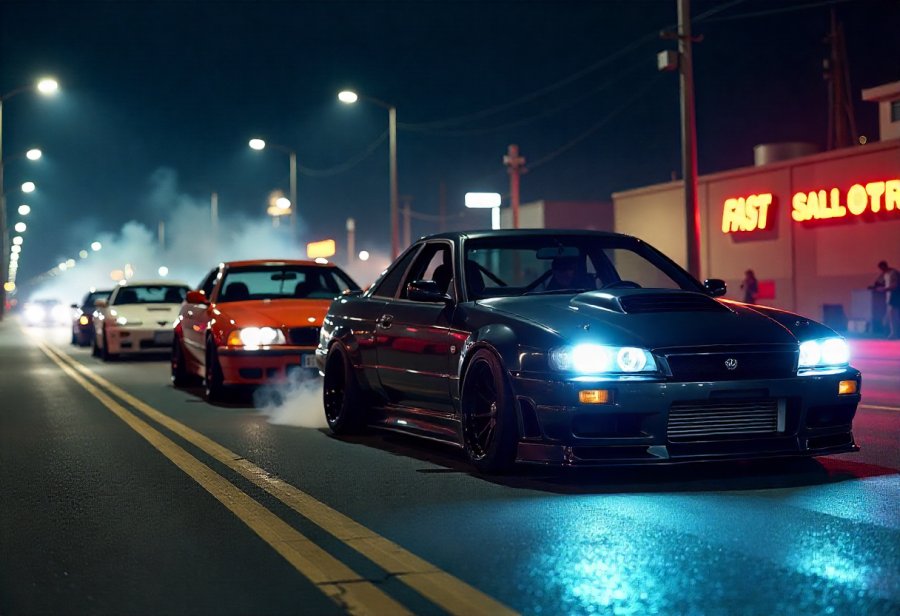
The spirit of underground racing kinship runs deep, rooted in trust, loyalty, and a shared passion that transcends the thrill of speed. These communities are more than just groups of racers—they are families forged in the shadows, built on bonds that withstand law enforcement crackdowns and societal misunderstandings. The core values of respect, craftsmanship, and resilience continue to inspire new generations, ensuring that the culture remains alive and vibrant despite external pressures.
What makes this culture enduring is how it transforms individual pursuits into collective identities. Racers don’t simply chase the next race; they support each other through mentorship, shared skills, and sacrifices that strengthen their bonds. Traditions like secret meetups, handshakes, and personalized cars serve as symbols of loyalty, passing down a sense of belonging that binds the community across generations. These rituals create a sense of continuity, linking past and present in a shared narrative of brotherhood.
Even as legal challenges and societal perceptions shift, the scene’s resilience persists. Crews adapt by organizing private gatherings or participating in sanctioned events that honor their roots while minimizing risk. Digital platforms help maintain connections worldwide, enabling members to communicate, plan, and celebrate their culture beyond physical boundaries. Loyalty and shared purpose remain the foundation that keeps the community united, fueling its ongoing evolution without losing sight of its core identity.
The influence of underground racing extends far beyond the streets, shaping broader urban and car cultures. Their stories of perseverance, craftsmanship, and defiance inspire mainstream audiences and influence trends in fashion, music, and automotive design. Their cars and aesthetics become symbols of identity and pride, while their narratives challenge societal norms—showcasing resilience and artistry rooted in rebellion. This cultural footprint underscores the scene’s significance as a form of urban expression that continues to grow.
In the end, the enduring spirit of underground racing kinship illustrates a fundamental human need: connection. It’s a testament to how loyalty, shared passion, and community can thrive amid adversity, adapting and evolving without losing their essence. As long as individuals remain willing to chase that shared adrenaline and uphold their bonds, this culture will persist—more than just about racing, it’s about belonging, resilience, and the unbreakable ties that define a community stronger than any asphalt.