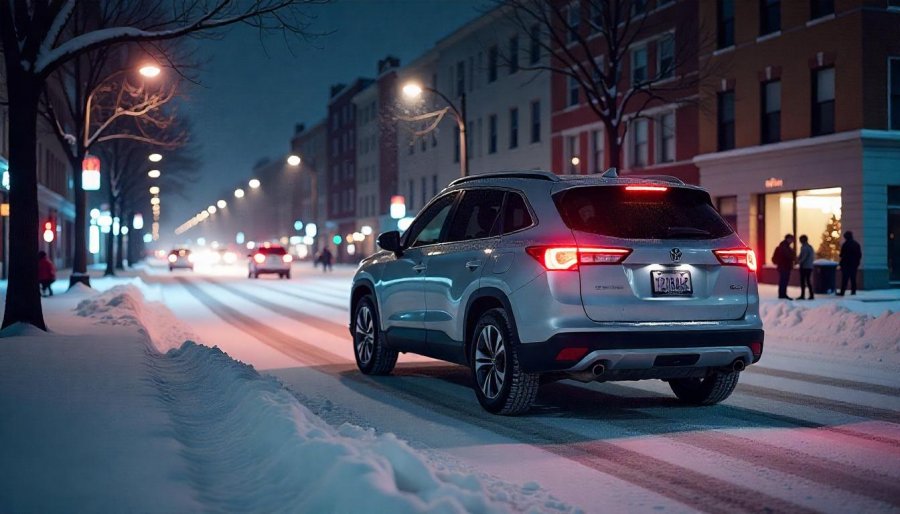
As winter approaches, the debate intensifies: are winter tires a vital safety tool or an unnecessary expense? This compelling exploration reveals that winter tires, with their specialized rubber compounds and aggressive tread patterns, provide unmatched grip and control on icy, snow-covered roads. Scientific studies confirm they can reduce braking distances by up to 30%, offering critical seconds that can prevent accidents. Yet, many drivers underestimate their importance, often relying on all-season tires that harden in cold temperatures, losing effectiveness just when safety is most crucial. Investing in quality winter tires involves upfront costs, but the long-term benefits—enhanced safety, peace of mind, and potential insurance discounts—are well worth it. The question remains: will you wait until icy roads demand it, or act now to face winter’s worst with confidence? This guide challenges you to reconsider your winter driving strategy before the cold hits hard.

Why Winter Tire Safety Is Crucial for Cold-Weather Driving
Winter tire safety isn’t just a seasonal tip—it’s a vital part of staying prepared for cold weather driving. As temperatures drop and icy conditions become more common, understanding how the right tires can make a real difference is essential for anyone behind the wheel. Many drivers underestimate the impact their tires have on safety, often thinking that all-season options are enough. But once the first snowfall arrives, it quickly becomes clear that proper winter tires are a game-changer.
Switching to winter tires is about more than just comfort; it’s about gaining control and reducing risks. When roads turn icy or snow-packed, standard tires tend to harden in the cold, losing grip and increasing stopping distances. Winter tires, however, are designed with softer rubber compounds that stay flexible in freezing temperatures. This flexibility helps them better conform to uneven and slippery surfaces, providing crucial traction and stability when it’s needed most.
This isn’t about marketing hype—it’s about safety based on science. All-season tires are built to handle moderate weather, but their performance drops sharply once temperatures fall below freezing. The rubber hardens, making the tires less effective on icy patches and snow. That’s when the difference becomes obvious: winter tires can stop significantly sooner, and they respond more reliably to steering inputs, even on treacherous roads.
Understanding these differences helps explain why winter tires are more than just a luxury—they’re a smart safety investment. Their tread patterns are more aggressive, with deeper grooves and biting edges designed to grip snow and ice. These features channel away slush and water, reducing the risk of hydroplaning and helping your vehicle stay connected to the road. This added control can be the difference between a safe drive and a dangerous slide, especially during sudden stops or sharp turns.
The importance of winter tires becomes even clearer when considering driver confidence. In icy conditions, every second counts, and the ability to respond quickly and effectively can prevent accidents. Winter tires improve steering response and braking distances, giving drivers a more predictable, confident feel behind the wheel. This peace of mind is invaluable when winter weather makes driving unpredictable and stressful.
Knowing how winter tires work also demystifies why they’re worth the expense. Their specialized rubber and tread design aren’t just features—they’re essential tools for winter safety. These tires are engineered to perform in cold, icy environments, providing grip and control that all-season tires simply can’t match once temperatures plummet. Choosing winter tires means equipping your vehicle with technology that actively enhances safety, especially during the coldest months.
Being proactive about switching to winter tires before the first snow hits can make a big difference. Waiting until roads are already icy can lead to higher costs, limited options, and a lack of preparedness. Installing them early ensures you’re ready for whatever winter throws your way, allowing for proper maintenance and extending their lifespan. Taking action ahead of winter isn’t just about safety; it’s about peace of mind, knowing you’re prepared to face the season’s challenges confidently.

The Science Behind Winter Tire Performance: Grip, Traction, and Safety
Winter tires are engineered with a focus on maximizing grip and safety in icy and snowy conditions, and their performance stems from specialized materials and tread designs that differ significantly from those of all-season tires. The core difference lies in the rubber compounds used; winter tires feature softer, more pliable rubber that remains flexible even when temperatures drop well below freezing. This flexibility allows the tire to mold more effectively to the uneven, slick surfaces of icy roads, providing better contact and grip. When rubber hardens in cold weather, it loses its ability to grip effectively, but winter tires maintain their softness, ensuring consistent traction that’s vital for safe driving during winter months.
The tread pattern of winter tires further enhances their superior performance. These tires are designed with deeper grooves and more aggressive biting edges, which help them latch onto snow and ice, acting like tiny grips that prevent slipping. The deeper tread channels snow, slush, and water away from the contact patch, reducing the risk of hydroplaning and helping your vehicle stay connected to the road. This combination of a textured, deep tread and flexible rubber creates a bond with icy surfaces that all-season tires simply can’t match, especially in treacherous conditions.
Scientific testing supports the significant advantage winter tires offer in cold weather. Vehicles equipped with winter tires consistently stop much faster on icy roads compared to those with all-season tires. Some studies show they can reduce braking distances by up to 30%, thanks largely to their ability to generate more friction. The softer rubber and specialized tread edges conform to icy patches and packed snow, creating more contact with the surface and translating to better grip and shorter stopping times. This isn’t just a matter of convenience; it’s a real safety difference that can prevent accidents and injuries.
Handling is also markedly improved with winter tires. Icy roads make precise steering and quick maneuvers more difficult, but the pliability of their rubber helps transfer steering inputs more effectively to the road. This responsiveness allows drivers to navigate sharp turns or emergency stops with greater confidence, reducing the likelihood of skidding or losing control. In conditions where every second and every inch of grip count, this enhanced control makes a measurable difference, giving drivers peace of mind in unpredictable winter conditions.
The performance benefits of winter tires are rooted in their specialized engineering—designed specifically to meet the challenges of cold, icy environments. Their unique rubber compounds and tread structures aren’t just features for marketing; they’re proven tools that actively improve traction, shorten braking distances, and boost handling in winter’s toughest conditions. Choosing winter tires means equipping your vehicle with technology built for safety, making them a smart investment for anyone facing severe winter weather. Their ability to grip icy patches and packed snow, combined with their responsiveness, ensures that your vehicle remains more predictable and safer to drive when the roads are at their most dangerous.

Balancing Costs and Benefits: Making the Most of Your Winter Tire Investment
Investing in winter tires involves an upfront expense that can seem significant, but it’s crucial to consider the safety benefits and long-term value they offer. The cost for a set of four tires varies depending on brand, size, and quality, typically ranging from a few hundred to over a thousand dollars. While that initial investment might give some pause, weighing it against potential expenses from winter accidents, vehicle damage, or increased insurance claims highlights its true worth. Proper winter tires drastically improve traction and reduce stopping distances on icy roads, which can prevent costly crashes and injuries—saving money and, more importantly, lives.
Beyond the purchase price, there are additional costs to keep in mind—mounting, balancing, and storage. Many drivers opt for professional installation to ensure their tires are fitted correctly, which adds to the overall expense but guarantees optimal performance. Regular maintenance, like checking tire pressure, becomes even more important in winter since cold air causes air to contract, reducing tire pressure and affecting handling. Rotating tires periodically helps promote even wear, extending their lifespan. When properly maintained, winter tires can last several seasons, making the initial investment more cost-effective over time. This durability means that the safety and performance benefits continue to pay off year after year, especially in regions with harsh winters.
High-quality winter tires tend to be more durable than cheaper alternatives, designed to withstand the wear and tear of winter conditions. They are built to endure snow, ice, and gravel roads, which can quickly degrade lower-grade tires. Choosing reputable brands with positive reviews often results in longer tread life and consistent performance, making them a smarter investment in the long run. Cheaper tires might save some money upfront but often wear out faster or fail to deliver the traction needed in severe winter weather. The slightly higher cost of premium tires is justified by their longevity and reliability, providing peace of mind during the most challenging driving conditions.
When you compare the costs of winter tires to the potential expenses of accidents, the value becomes even clearer. Vehicles equipped with proper winter tires can stop up to 30% faster on icy surfaces, according to safety studies. That reduction in braking distance can be the difference between avoiding a collision and suffering serious damage or injury. Many insurance companies recognize this safety advantage and offer discounts for vehicles fitted with winter tires, which helps offset some of the initial costs. Considering these financial incentives alongside the safety improvements makes winter tires not just a sensible choice but a financially sound one.
Timing your purchase is a key practical consideration. Installing winter tires before the first snowstorm ensures you’re prepared when conditions worsen. Waiting until roads are already icy or snowing can lead to higher prices, limited availability, and the risk of being caught unprepared. Early installation allows for proper maintenance and rotation, maximizing tire lifespan and performance. It also reduces the stress of last-minute decisions and ensures your vehicle is ready to handle winter’s worst. In the end, the small additional expense of buying and installing winter tires now pays dividends in safety, peace of mind, and overall driving confidence throughout the season.