Step into the secret world of the backyard mechanic, where passion, patience, and ingenuity transform rusty relics into roaring machines. This space is more than a workshop—it’s a sanctuary of craftsmanship, filled with tools that tell stories and memorabilia that inspire mastery. But what hidden tricks and personal touches turn an ordinary garage into a legendary hub of innovation? From homemade rust removers to custom-engineered tools, seasoned enthusiasts reveal their secrets—each project layered with history, resourcefulness, and love. As the community’s creativity blossoms through digital sharing and sustainable practices, the art of restoration evolves, blending tradition with modern innovation. Yet, beneath the surface lies a compelling question: how do these dedicated home mechanics continually push the boundaries of what’s possible in their personal sanctuaries? In this world of grease and gears, every bolt tightened and every machine revived tells a story of perseverance and passion that keeps the spirit of vintage craftsmanship alive.
Discover the Personal Sanctuary of the Backyard Garage
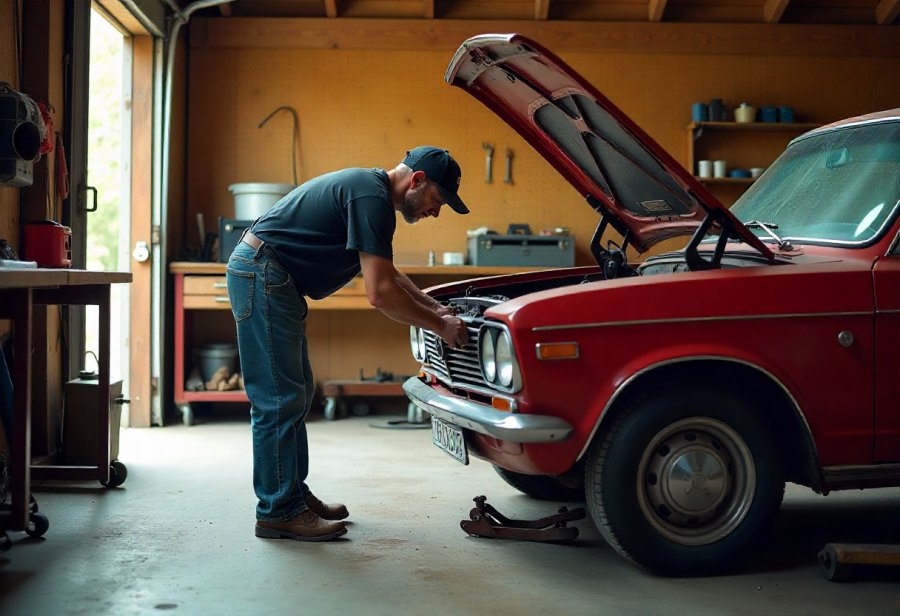
A backyard garage isn’t just a simple shed; it’s a personal sanctuary where passion for mechanics and craftsmanship thrives. For many enthusiasts, this space is a retreat from the hustle—where time slows down, and hands-on work becomes a form of meditation. It’s a place filled with the scent of oil and grease, the clatter of tools, and a sense of quiet focus that transforms ordinary hours into moments of creativity and purpose.
Over the years, these garages evolve beyond their basic structure. They become reflections of their owners—cluttered yet organized, functional yet personal. Walls are lined with tools that tell stories, while shelves hold vintage signs, photographs of past projects, and nostalgic memorabilia. Every corner reveals a piece of the owner’s journey, embodying patience, dedication, and a love for restoring old machines.
What makes these spaces truly special is the atmosphere they cultivate. It’s a haven for problem solving, where setbacks are viewed as learning opportunities rather than failures. Enthusiasts wake early on weekends or stay late into the night, driven by a genuine love for vintage cars and the craft of restoration. Here, every bolt tightened or engine revived isn’t just a repair—it’s a chapter in a personal story of perseverance and mastery.
The layout and personal touches further elevate the garage’s significance. Well-organized workbenches, carefully arranged tools, and inspiring memorabilia turn routine repairs into moments of artistry. Good lighting and thoughtful organization encourage focus, making complex tasks approachable. These details reflect a mindset rooted in craftsmanship and a desire to create a space that motivates ongoing learning and improvement.
Beyond the physical setup, the true magic lies in the passion it fosters. It’s a space that encourages experimentation, resourcefulness, and patience. Mechanics develop their own tricks—homemade tools, rust removal hacks, and clever shortcuts—that turn challenges into opportunities. Every project, big or small, becomes part of a larger narrative—one built on love, tradition, and a dedication to keeping vintage machines alive.
In essence, a backyard garage is more than just a workshop. It’s a personal sanctuary where dreams are revived, skills are honed, and a love for mechanical art is celebrated. It’s a space that embodies patience, ingenuity, and passion—an everlasting testament to the timeless spirit of craftsmanship that keeps this craft alive across generations.
Transforming a Garage into a Sanctuary of Passion and Precision
A garage becomes a true sanctuary when it’s filled with the right tools and a clear sense of purpose. Enthusiasts often gather a collection of hand tools—wrenches, screwdrivers, pliers—that feel like natural extensions of their hands. These tools aren’t just functional; they carry stories and trust built over years of use. Keeping everything organized, with each tool in its designated spot, helps maintain focus and confidence, turning even complex repairs into manageable tasks. The layout of the space, with dedicated zones for different activities, supports a smooth workflow that keeps projects moving forward.
Passion is what elevates a garage from a mere workspace to a personal retreat. It’s what motivates a mechanic to wake early on weekends or stay late into the night, working on a vintage engine. This love for cars fuels patience, allowing setbacks like stubborn rust or missing parts to become part of the learning process. When driven by genuine interest, every task becomes an act of craftsmanship, where attention to detail and a desire for excellence turn routine repairs into moments of pride. This dedication transforms the garage into a space where motivation and mastery go hand in hand.
Attention to detail truly defines a garage’s character. Shelves are meticulously arranged, often sorted by project or part type, fostering a sense of order amidst the chaos. Vintage signs, photographs, and memorabilia adorn the walls, serving as sources of inspiration and reminders of past accomplishments. Good lighting, whether from overhead fixtures or portable lamps, ensures every small detail is visible, making intricate work safer and more precise. These touches reflect the owner’s commitment and passion, elevating the space into an environment where craftsmanship flourishes.
Behind the scenes, seasoned mechanics craft their own shortcuts and specialized tools—like custom bolt extractors or makeshift engine hoists—that simplify tough tasks. They develop rust removal hacks and sourcing tips through hands-on experience, often sharing these secrets within communities. This resourcefulness turns setbacks into opportunities for ingenuity, making each project a puzzle to solve. The garage becomes a hub of innovation, where knowledge is passed along and skills are sharpened, fostering a culture of mastery that’s both personal and collective.
Ultimately, a garage’s strength lies in the atmosphere it cultivates. Every element, from lighting to layout, is tailored to encourage concentration and creativity. It’s a space that promotes patience, persistence, and a love for mechanical art. When these qualities come together, the garage transforms into more than just a workshop—it’s a personal sanctuary where passion thrives, skills grow, and the love for restoring vintage machines remains alive and vibrant across generations.
Unlocking the Hidden Secrets of the Legendary Garage
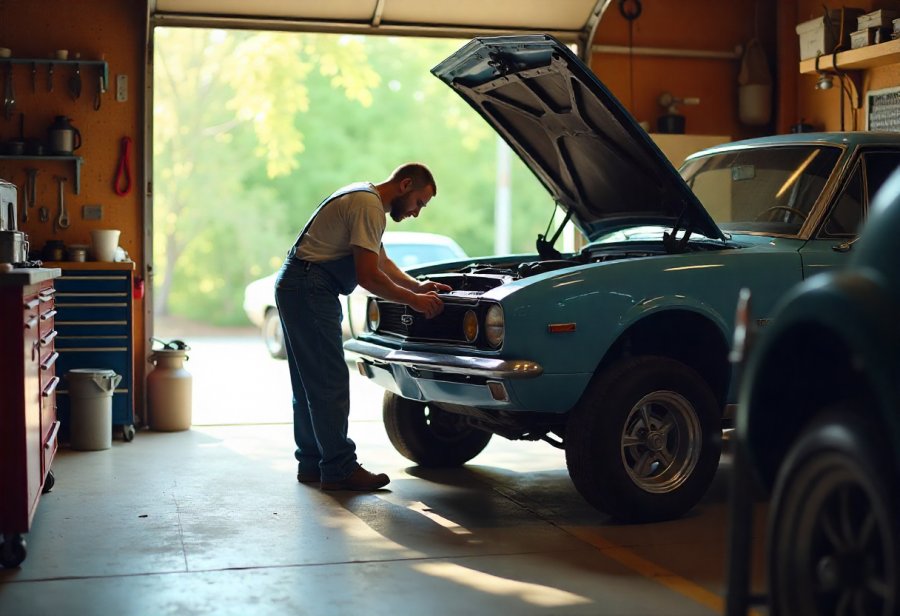
Beneath the cluttered surface of a backyard garage lie secrets that turn an ordinary workshop into a legendary space of mastery. Experienced mechanics don’t rely solely on store-bought tools—they craft their own clever tricks and shortcuts through years of hands-on experimentation. For instance, a custom bolt extractor made from scrap metal can be the difference between hours of frustration and a successful repair. These small innovations often become secret weapons, saving precious time during complex restorations and elevating the craft beyond basic mechanics.
Rust removal, one of the trickiest hurdles, is tackled with ingenuity. Many seasoned restorers have perfected hacks like soaking parts in vinegar or lemon juice to loosen corrosion gently, avoiding harsh chemicals that can damage the metal. Some set up homemade sandblasting rigs or use quick-dip solutions, turning simple household items into powerful rust-busting tools. These techniques are born from experience, turning what might seem like routine chores into satisfying problem-solving puzzles.
Personal touches also set legendary garages apart. Vintage signs, rare tools passed down through generations, or custom-built workbenches imbue the space with character. A well-placed collection of memorabilia or a hidden compartment for favorite tools reflects the owner’s pride and personality. Such details create an environment that feels uniquely theirs, inspiring ongoing craftsmanship and a sense of ownership that fuels every project.
Resourcefulness fuels the magic. When original parts are impossible to find, seasoned backyard mechanics often fabricate replacements from scratch—welding, bending, and shaping scrap metal into functional components. This ability to improvise turns setbacks into opportunities, transforming challenges into moments of innovation. Their knack for working with what’s available pushes the boundaries of what’s possible in a home workshop.
The atmosphere itself holds secrets. A carefully curated layout—tools within arm’s reach, well-organized shelves, and strategic lighting—fosters focus and efficiency. Many mechanics develop their own shortcuts, like quick-release fasteners or clever disassembly methods, to streamline processes. These subtle organizational choices and custom tricks foster a space where mastery grows quietly but profoundly.
Beyond the tangible, the true secret is passion. Every vintage part restored, every stubborn bolt freed, is a testament to patience and dedication. These garages are more than just workspaces—they’re sanctuaries of love for craftsmanship, where setbacks are simply lessons in disguise. In this environment, mastery isn’t handed down; it’s crafted, one secret at a time, in a space where ingenuity and passion collide.
Guided Steps to Restoring Vintage Machines in Your Backyard
Restoring vintage machines in a backyard setting is a rewarding challenge that combines patience, planning, and resourcefulness. Before diving into any project, it’s crucial to thoroughly assess the machine’s condition. Take note of rust, missing parts, and damage, then set realistic goals based on what you find. Gathering the right tools, repair manuals, and online resources like forums or tutorials provides a solid foundation. Having a clear, step-by-step plan keeps the process manageable and helps prevent feeling overwhelmed as you work through each phase.
Start with a deep clean. Removing dirt, grease, and rust not only reveals hidden issues but also makes subsequent work easier. Break the job into phases—disassembly, cleaning, repairing or sourcing parts, reassembly, and testing. As you go, take photos and organize parts carefully; it saves time and keeps everything in order. Rushing through these steps often leads to mistakes, so patience and attention to detail are your best allies for a smooth restoration.
Disassembly becomes straightforward when you label parts and keep them organized. This helps during reassembly, especially when dealing with similar-looking components. When parts are damaged or missing, resourcefulness is key. Online marketplaces and community groups can be goldmines for sourcing parts, but sometimes fabricating replacements from scrap metal or welding new pieces is the way to go. Your ability to improvise turns setbacks into opportunities for learning and innovation.
Rust removal is one of the trickiest parts, but there are effective hacks. Soaking parts in vinegar, lemon juice, or baking soda solutions can loosen corrosion gently without damaging the metal. Mechanical methods like wire brushing or sandblasting work well, provided they’re used carefully to avoid stripping away too much material. These techniques, often learned through trial and error, save time and money while helping preserve the machine’s original integrity.
Reassembly demands patience and precision. Fit each part carefully, double-check alignment, and test frequently. Small adjustments often make a big difference in performance. Keep detailed notes and photos during this process; they’re invaluable for troubleshooting and future projects. Restoring a vintage machine isn’t a race—enjoy each step, learn from setbacks, and celebrate small victories along the way.
In the end, a successful backyard restoration hinges on resourcefulness, patience, and a love for the craft. Every challenge faced and overcome deepens your understanding and skill. With a clear plan, the right mindset, and a bit of ingenuity, you can transform a rusty relic into a revived piece of history right in your driveway. This process isn’t just about fixing machines; it’s about embracing the art of restoration and taking pride in every completed project.
Embracing the Future: Trends and Innovations in Backyard Restoration
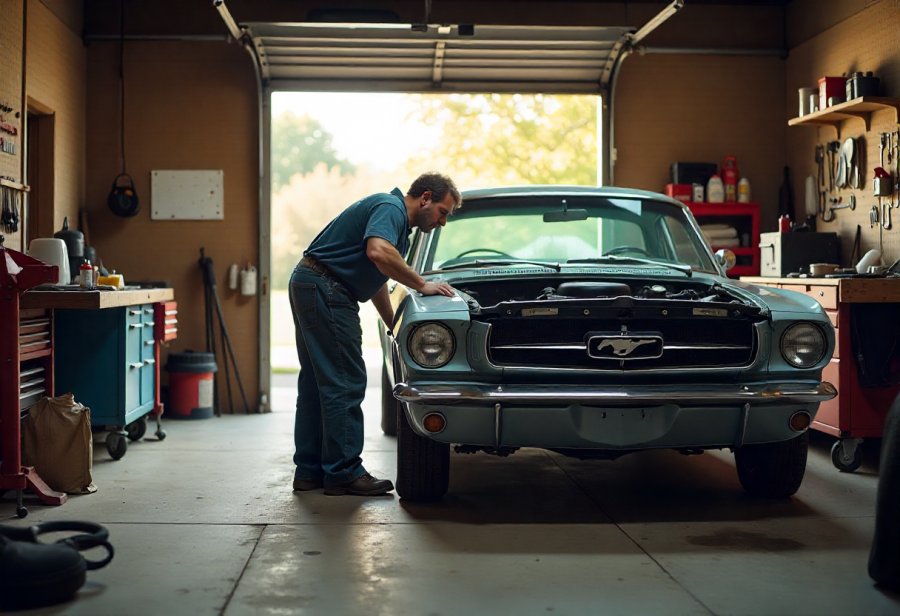
In recent years, backyard car restoration has experienced a renaissance, driven by a renewed appreciation for craftsmanship and a desire for personal connection to automotive history. Today’s enthusiasts are more active than ever, sharing their projects online and forming vibrant communities that foster knowledge exchange and inspiration. This collective spirit not only helps preserve traditional skills but also introduces innovative techniques, from eco-friendly rust removers to 3D-printed parts, making restoration more accessible and sustainable. These advancements are reshaping what’s possible in a home workshop, opening doors for newcomers and seasoned hobbyists alike.
The sense of camaraderie cultivated through digital platforms fuels a culture of shared learning. Enthusiasts exchange advice, celebrate successes, and troubleshoot setbacks together, creating a collective energy that pushes the craft forward. This community-driven approach keeps the passion alive, ensuring that the love for vintage machines isn’t confined to individual garages but becomes a shared pursuit rooted in creativity and ingenuity. As more people get involved, the pool of knowledge expands, inspiring new projects that blend old-school techniques with modern innovations.
Sustainability has become an important aspect of backyard restoration. Many hobbyists now prioritize eco-friendly rust removal methods, repurpose old parts, and adopt responsible practices that minimize environmental impact. This shift reflects a broader understanding that craftsmanship can thrive without harming the planet. Online tutorials, forums, and accessible resources empower even beginners to learn complex skills confidently, fostering a culture where tradition and innovation coexist harmoniously.
Despite these technological and environmental shifts, the core of backyard restoration remains rooted in patience, passion, and attention to detail. Each project tells a story of perseverance—whether it’s freeing a stubborn bolt or rebuilding a vintage engine. These stories highlight a deep connection to the craft, one that values mastery over speed and celebrates the journey of bringing a machine back to life. This mindset sustains a community that treasures craftsmanship as much as the finished product.
Looking ahead, the future of backyard car restoration appears bright and inclusive. Digital tools, sustainable materials, and an ever-growing network of enthusiasts will continue to lower barriers and spark new ideas. Educational programs, online courses, and local workshops will help transmit traditional skills while embracing cutting-edge technology. As this movement evolves, it will remain anchored in a love for craftsmanship, driven by a shared passion that ensures the art of restoring vintage machines endures for generations to come.